









Tooth enamel is the hard, mineral outer shell that covers each tooth. It is more than 95% mineral, mostly hydroxyapatite, and it is the hardest tissue in your body. But enamel has no living cells, so it cannot heal or grow back the way bone or skin can. Its main job is to protect the softer, more sensitive layers inside the tooth.
Enamel Is Not Like Other Tissue
Enamel is built mostly from hydroxyapatite, a natural tooth mineral made of calcium and phosphate. According to research on enamel composition, enamel is more than 95% mineral, with only a tiny amount of water and protein mixed in.
Enamel is made by cells called ameloblasts, or enamel-forming cells. These cells build the hard outer layer while the tooth is still forming under the gum. After the tooth develops, many of these cells die or disappear, which is one reason enamel cannot repair itself later in life dental enamel formation research.
That is the key difference between enamel and something like bone or skin. Bone and skin contain living cells and can heal after an injury. Enamel cannot.
What Enamel Does for Your Teeth
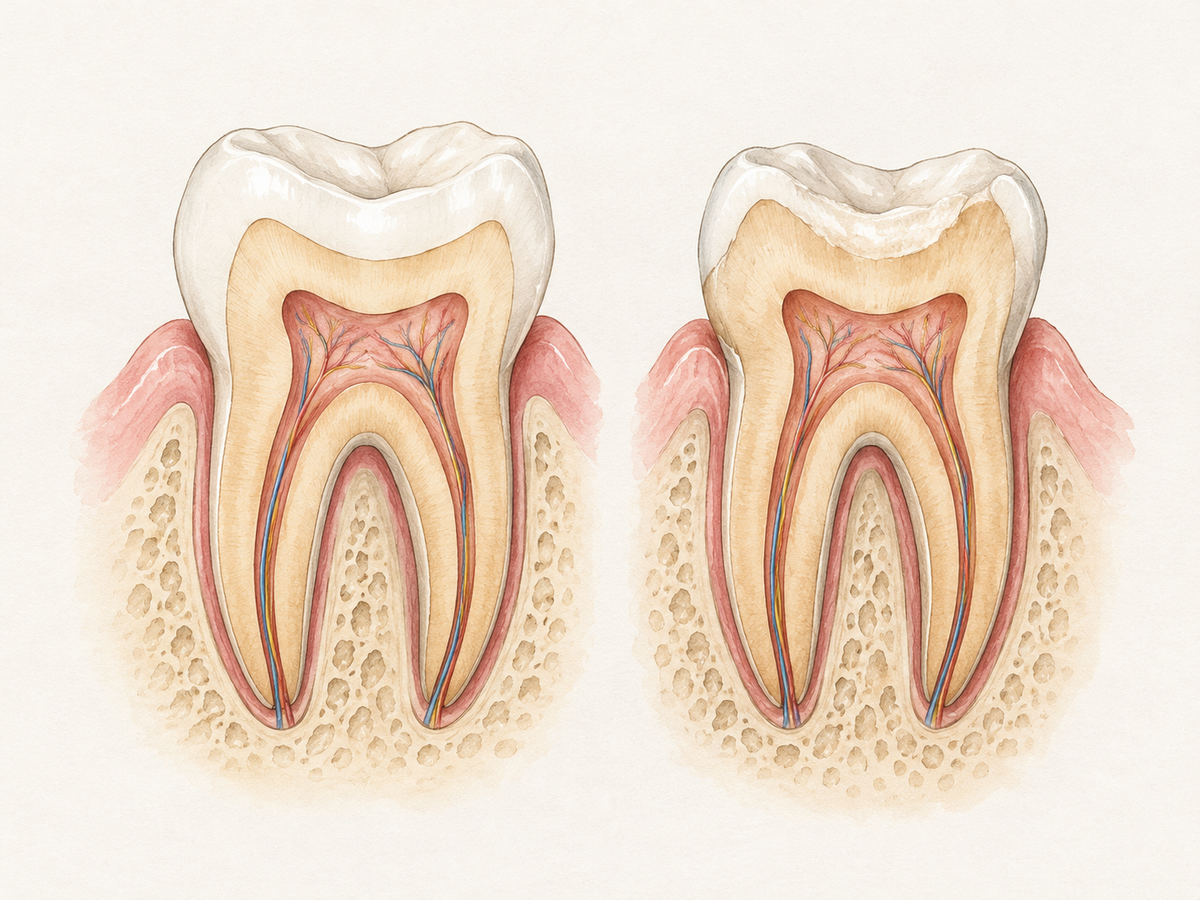
Enamel sits on top of dentin, the softer yellow layer underneath. Deep inside the tooth is the pulp, the nerve center.
Think of enamel as armor:
- It shields dentin and pulp from everyday damage.
- It absorbs chewing force so the tooth does not crack easily.
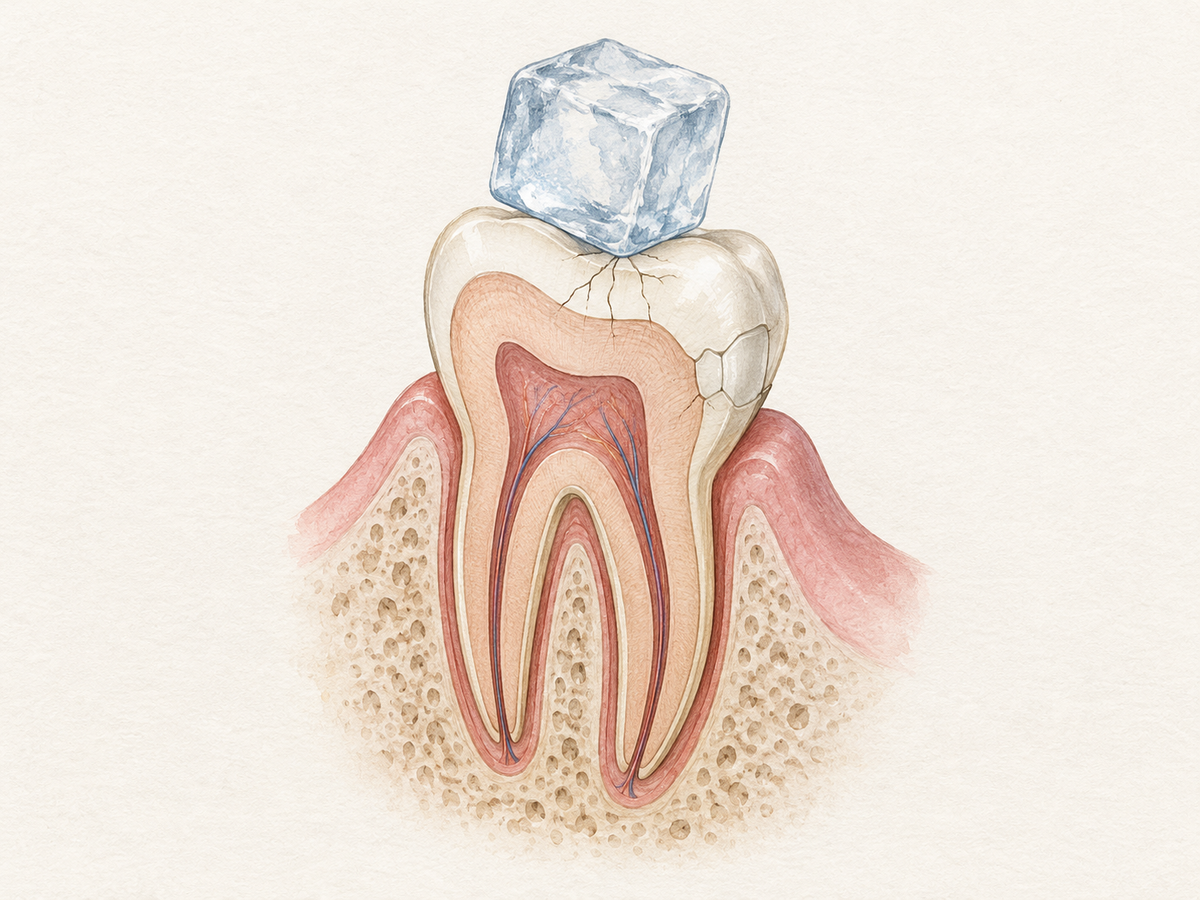
- It insulates against hot and cold foods and drinks.
- It slows acid from reaching the sensitive inner layers.
When you chew, enamel takes a lot of mechanical stress. Its hard mineral crystals are packed together in a way that resists fractures, which is what makes regular chewing possible without damaging the softer tissue underneath material science of teeth.
Enamel Does Not Grow Back
There are two stages of enamel damage to understand.
Demineralization is early mineral loss. This happens when acids pull minerals out of the enamel surface. At this early stage, some repair is possible. Minerals from saliva, fluoride, or hydroxyapatite can go back in. This repair process is called remineralization.
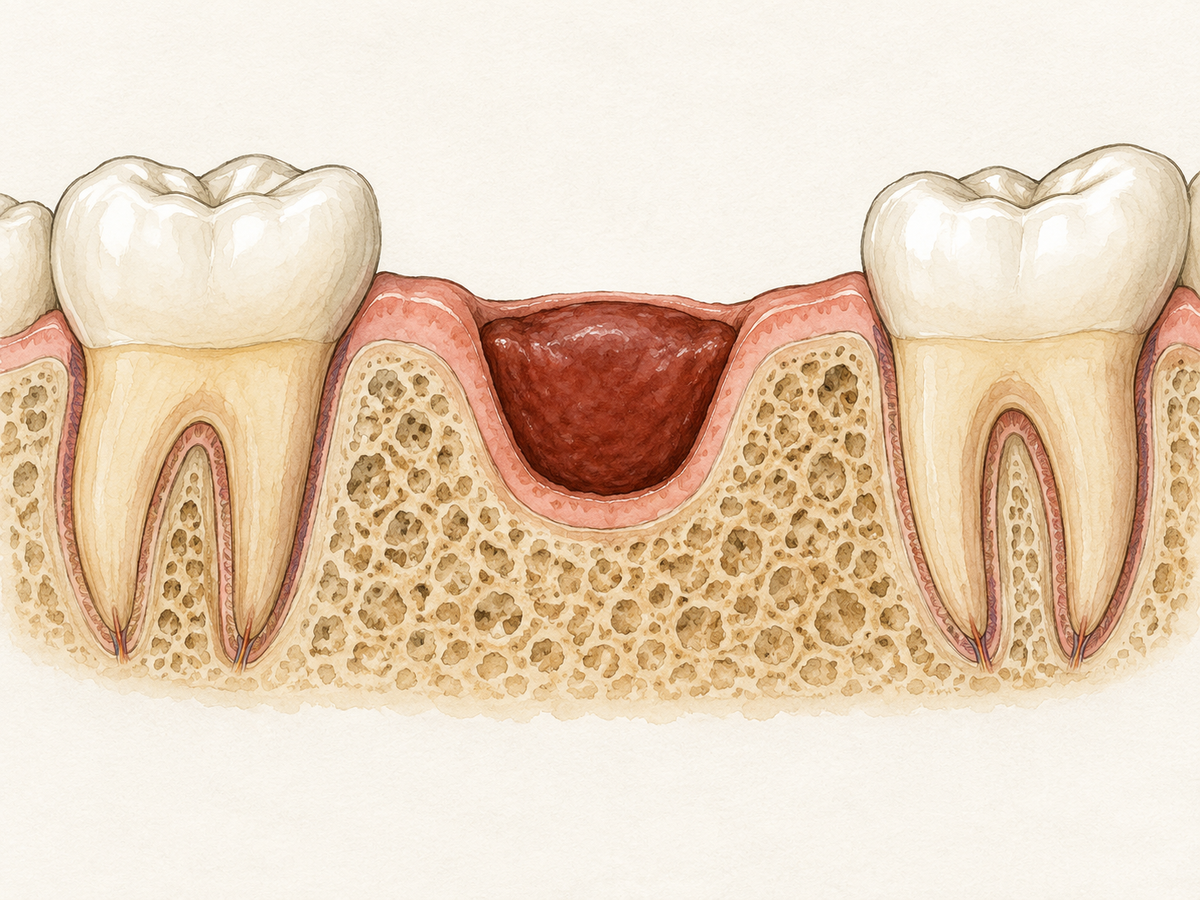
Erosion is more advanced, permanent wear. Once the surface is truly eroded, the lost enamel is gone. Enamel has no cells to rebuild it after the tooth has formed.
Key rule: You can support repair of early mineral loss, but you cannot regrow enamel that has already worn away.
What Wears Enamel Down
The main causes can be grouped into a few categories.
Acid from foods and drinks. Carbonated drinks, acidic foods, and frequent sipping are linked to erosive tooth wear risk factors for erosive tooth wear. Sugar feeds acid-producing bacteria in the mouth, which then attack the enamel.
Acid reflux or regurgitation. Stomach acid entering the mouth is another source of chemical enamel wear. Reflux and regurgitation are strongly associated with erosive tooth wear in the same review.
Teeth grinding, known as bruxism. Grinding or clenching causes mechanical wear that can chip, flatten, and thin enamel. Grinding often overlaps with other factors such as acid reflux and dry mouth tooth wear and bruxism.
Dry mouth. Saliva helps wash away acid and supplies minerals for repair. When saliva flow is low, enamel has less natural protection.
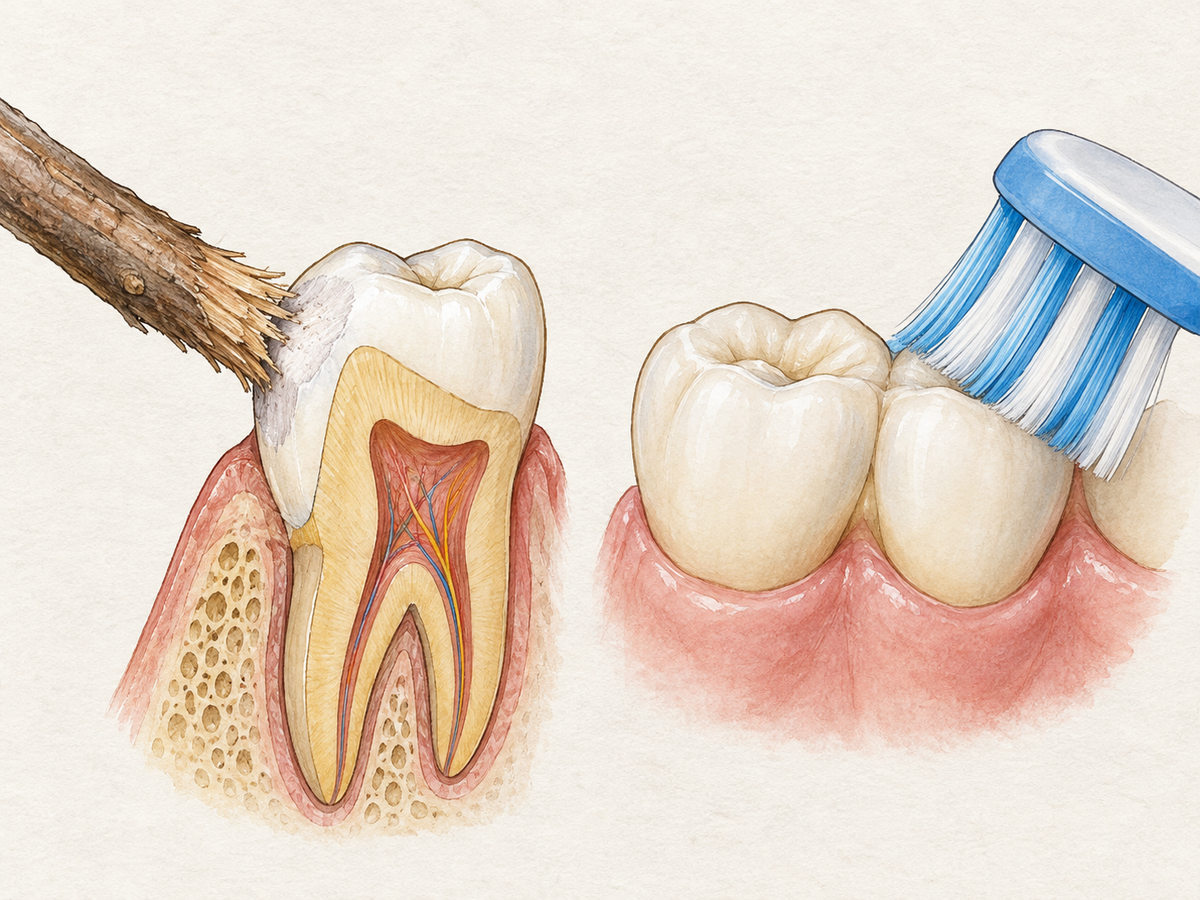
Aggressive brushing. Brushing too hard, especially at the gumline, can add mechanical wear. Toothbrushing is one of the mechanical risk factors identified in a review of tooth wear risk factors of tooth wear.
Signs Your Enamel Is Thinning
Early enamel loss is often invisible. That is one reason regular dental checkups matter. But some signs you may notice include:
- Sensitivity to cold foods, hot drinks, or sweets.
- Teeth looking more yellow as the dentin underneath shows through.
- Edges of front teeth looking see-through or thin.
- Small dents or cups on the chewing surfaces of back teeth. This is called cupping.
- Chips or rough spots that were not there before.
Sensitivity happens because thinner enamel lets temperatures and sweets reach the dentin and nerve-rich pulp more easily. If you notice any of these signs, it does not always mean severe enamel loss, but it is worth checking.
What Can Help — and What Cannot
Some products and habits can support the enamel you still have. Others cannot replace what is already gone.
What may strengthen remaining enamel:
- Fluoride. Fluoride helps replace minerals and makes enamel more resistant to acid. Dental guidelines support twice-daily fluoride toothpaste fluoride guidelines.
- Hydroxyapatite toothpaste. Hydroxyapatite is the same mineral enamel is made of. Updated evidence suggests hydroxyapatite oral care products can reduce caries risk and may support remineralization hydroxyapatite clinical evidence.
- Reducing acid frequency. Fewer acid attacks give saliva time to replace minerals.
- Treating acid reflux. Managing reflux reduces the source of stomach acid on teeth.
- A night guard. If you grind your teeth, a guard or splint may protect enamel from mechanical wear tooth wear and bruxism.
What cannot replace enamel:
- Enamel regrowth products. No toothpaste or rinse can regrow enamel. Enamel has no living cells after the tooth forms enamel synthesis explained.
- Whitening products on already thin enamel. Whitening is not a treatment for enamel loss. If your enamel is already thin, whitening may make sensitivity worse. Ask a dentist before using it.
If a product claims to regrow enamel, save your money. You can strengthen the enamel you still have, but you cannot replace what is already gone.
Daily Habits That Protect Enamel
Small habits can make a real difference.
- Drink acidic beverages with a straw. This helps limit direct contact between acid and teeth.
- Rinse with water after acidic food or drink. Water helps wash away acid.
- Limit sipping throughout the day. Frequent sips of soda, sports drinks, or lemon water mean repeated acid attacks.
- Wait before brushing after acidic food or drink. Brushing right away can rub softened enamel. If possible, wait about 30 minutes.
- Use fluoride toothpaste twice a day. This is a basic preventive habit supported by dental guidelines fluoride guidelines.
- Brush gently. Use a soft-bristled brush and light pressure, especially near the gumline.
When to See a Dentist
Book a dental appointment if you notice:
- Ongoing tooth sensitivity that gets in the way of eating or drinking.
- Visible wear, such as flat or thin edges, dents on chewing surfaces, or teeth getting shorter.
- Frequent cavities.
- Known teeth grinding or clenching.
- Acid reflux that is not well controlled.
Enamel loss can often be managed, especially when caught early. A dentist can check for early wear, identify causes such as reflux or grinding, and recommend a plan based on your teeth and habits.
If you have severe pain, swelling, or a broken tooth, contact a dentist promptly rather than waiting for a routine visit.
 Best Overall
 Best Value
 Best for Sensitive Teeth
This article has been reviewed by an oral health professional for accuracy. It is intended to provide general educational information and should not be used as a substitute for personalized medical advice, diagnosis, or treatment. If you have questions or concerns about your oral health, please consult a dentist, physician, or other qualified healthcare provider.