






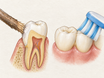



People have been cleaning their teeth for thousands of years, but not with modern brushes and tubes. The earliest tools were frayed twigs and chew sticks used to scrape food and plaque from teeth. The first known bristle toothbrush appeared in China long before European versions, and the biggest modern change was fluoride toothpaste, which helps prevent cavities. Today’s simple advice—soft bristles, fluoride toothpaste, gentle brushing—comes from that long trial-and-error history.
Ancient Chew Sticks and Early Cleaners
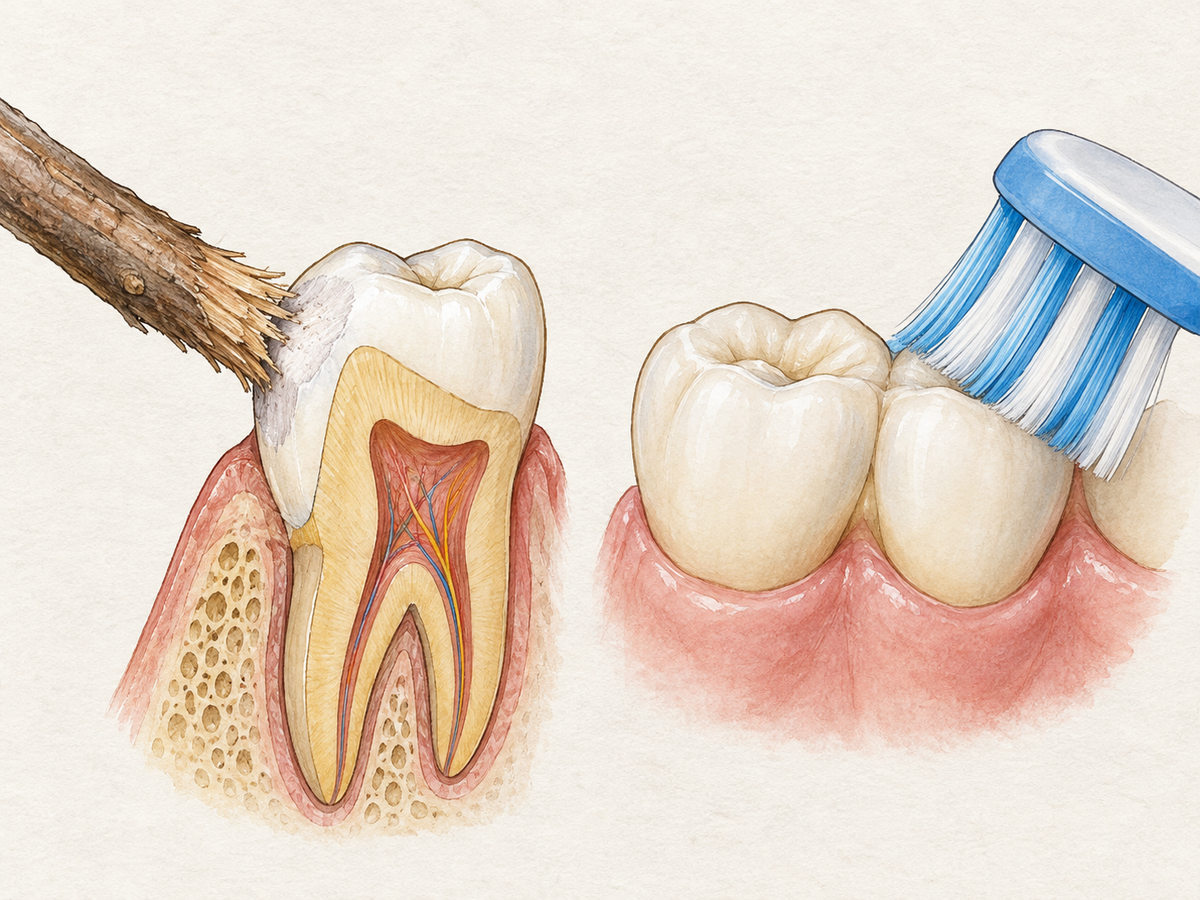
Before toothpaste, tooth cleaning was mostly mechanical. People in ancient Babylon, Egypt, India, and China chewed or rubbed frayed twigs against their teeth. These tools are often called chew sticks, miswak, or siwak.
Some evidence points to Babylonians using chewing sticks as early as 3500 BC. Chinese records also describe twigs made from aromatic trees around 1600 BC.
These tools worked like a scraper. They physically removed leftover food and plaque, the sticky film of bacteria and food that builds up on teeth.
Early pastes and powders were secondary. The twig did the main cleaning work. Even today, properly used chew sticks can remove plaque well because they combine scraping with extra saliva.
The First Bristle Toothbrush
The earliest known bristle toothbrush came from China during the Tang dynasty, around 618–907 AD. It had a bone or bamboo handle with stiff hog-hair bristles inserted into holes.
This was not a one-person invention. The design developed over time and later spread along trade routes.
By the time bristle brushes reached Europe, some users found boar bristles too stiff. They preferred softer horsehair, even though it broke down more quickly.
William Addis is often called the toothbrush inventor, but he is better understood as a popularizer. His mass-produced brush came centuries after the Chinese designs.
Toothpaste Through the Ages
Toothpaste-like mixtures have been around for thousands of years. Ancient Egyptians, Greeks, Romans, Chinese, and medieval Europeans used pastes and powders made from rough ingredients.
Common ingredients included:
- Ash and charcoal for scrubbing
- Pumice and chalk for gritty cleaning
- Crushed eggshells, bone, or oyster shells as powder
- Salt, honey, wine, or herbs for texture and taste
Many of these ingredients were abrasives—rough particles that scrub the tooth surface. They could remove stains, but heavy scrubbing could also contribute to enamel wear, the outer layer of the tooth.
That is one reason modern formulas changed. Today’s toothpastes use fluoride, a mineral that helps prevent cavities, and gentler cleaning agents designed to clean without harsh wear.
The Industrial Age: Mass-Produced Brushes and Powders
In the 1780s, William Addis made a bone-handled toothbrush with rows of bristles. The popular story says he got the idea in prison by drilling holes into a leftover bone. That prison tale is widely repeated, but the manufacturing part is what historians can document.
Addis and other early manufacturers turned toothbrush making into a real trade. One brush could involve more than 50 separate steps. Early brushes were still expensive, but mass production laid the groundwork for lower costs later.
Across the Atlantic, the first US toothbrush patent went to H. N. Wadsworth in 1857, but hog-bristle brushes stayed costly for a while.
Around the same time, tooth powders and early toothpastes became packaged products. By the late 1800s, toothpaste was sold in collapsible tubes, which made daily use easier.
Mass production helped move oral care from a luxury into a routine. Cheaper plastic manufacturing in the 20th century finally made brushes affordable for more households.
The 20th Century: Nylon, Fluoride, and Electric Brushes
Three changes made modern oral care look different. In 1938, DuPont introduced nylon bristles, and all-plastic toothbrushes followed. Nylon was more uniform and did not have the hollow structure that made horsehair break down and hold bacteria.
The first electric toothbrush patents appeared in the 1930s. Modern rechargeable models came in the 1950s. The goal was simple: make brushing easier.
Fluoride toothpaste was the biggest prevention breakthrough. Fluoride was first tried in toothpaste in 1914, but it took decades for dental professionals to accept it. By the 1950s and 1960s, fluoride toothpaste had become a mainstream cavity-fighting product.
A major review found that fluoride toothpaste reduced new decay by about 24% in children compared with non-fluoride toothpaste.
Modern Toothbrushes and Toothpastes
Today’s brushes come in many shapes and sizes. Many have soft or tapered bristles, angled necks, and easy-to-grip handles. The goal is comfort, gum safety, and good plaque control.
Toothpastes now target specific needs. Whitening pastes help remove stains. Desensitizing pastes help with sensitive teeth. Some pastes focus on gum care or cavity protection. Potassium nitrate, added for sensitive teeth starting in 1961, is one common ingredient.
Hard-bristled brushes may remove plaque, but they can also cause more gum irritation. Soft or medium brushes are a gentler choice for most people.
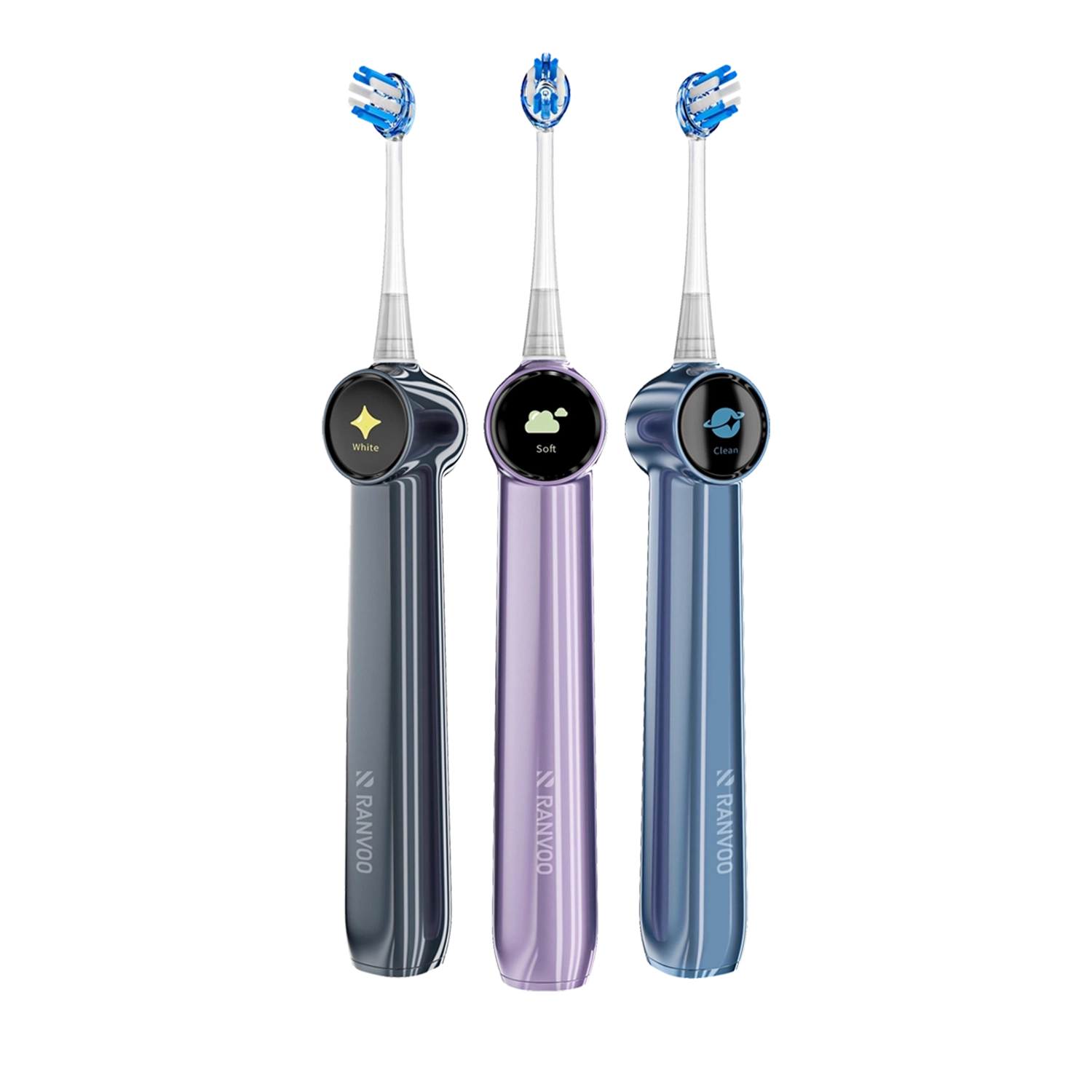
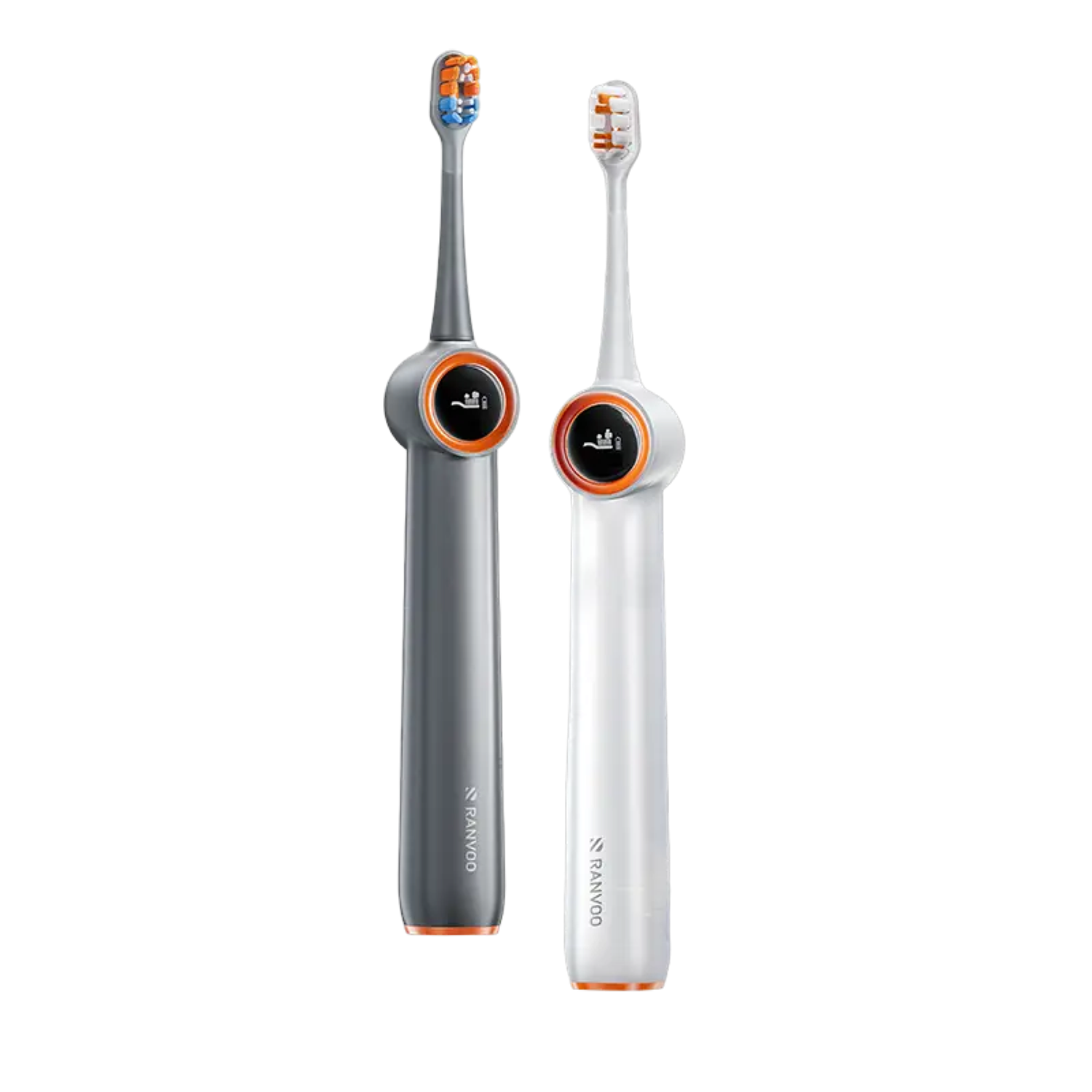
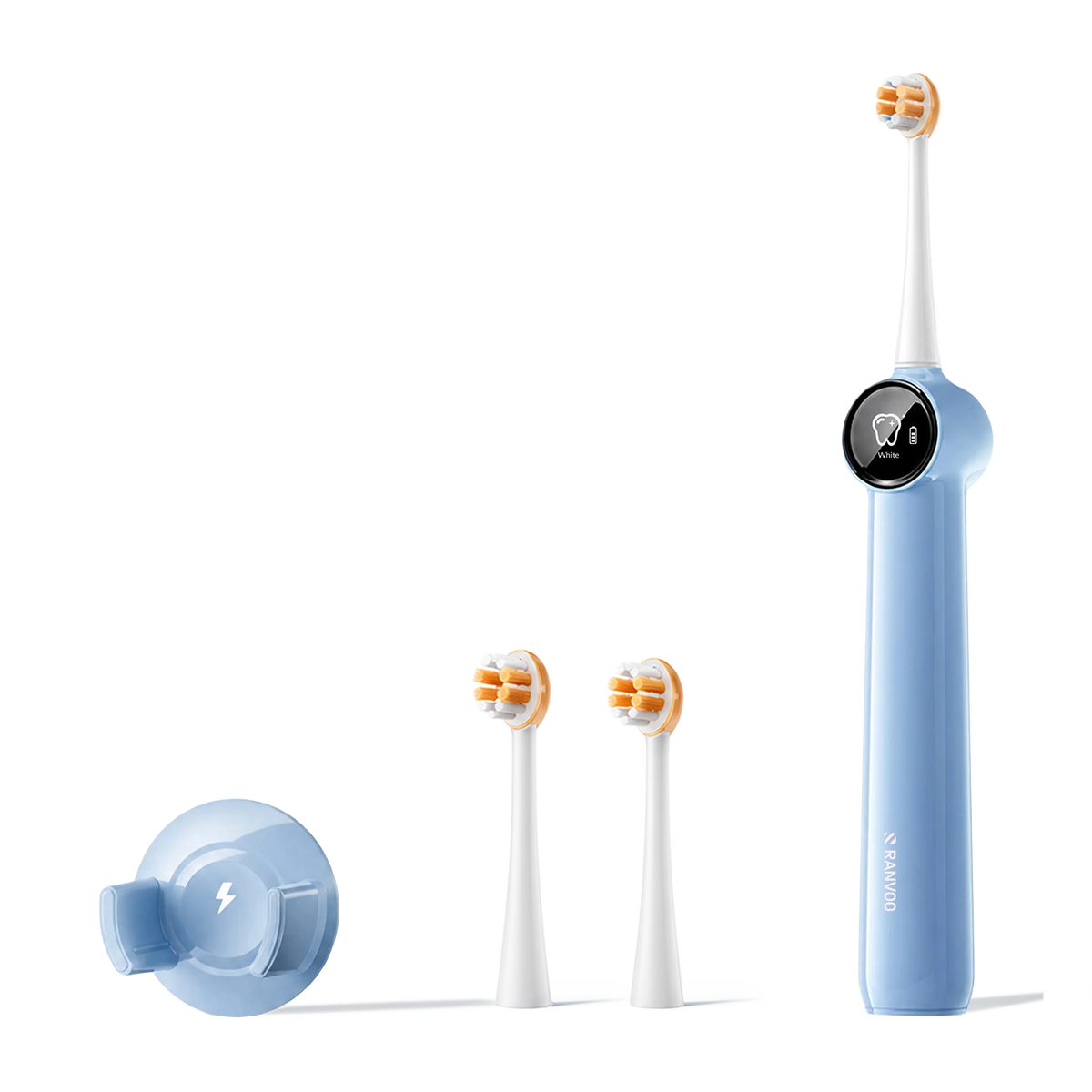
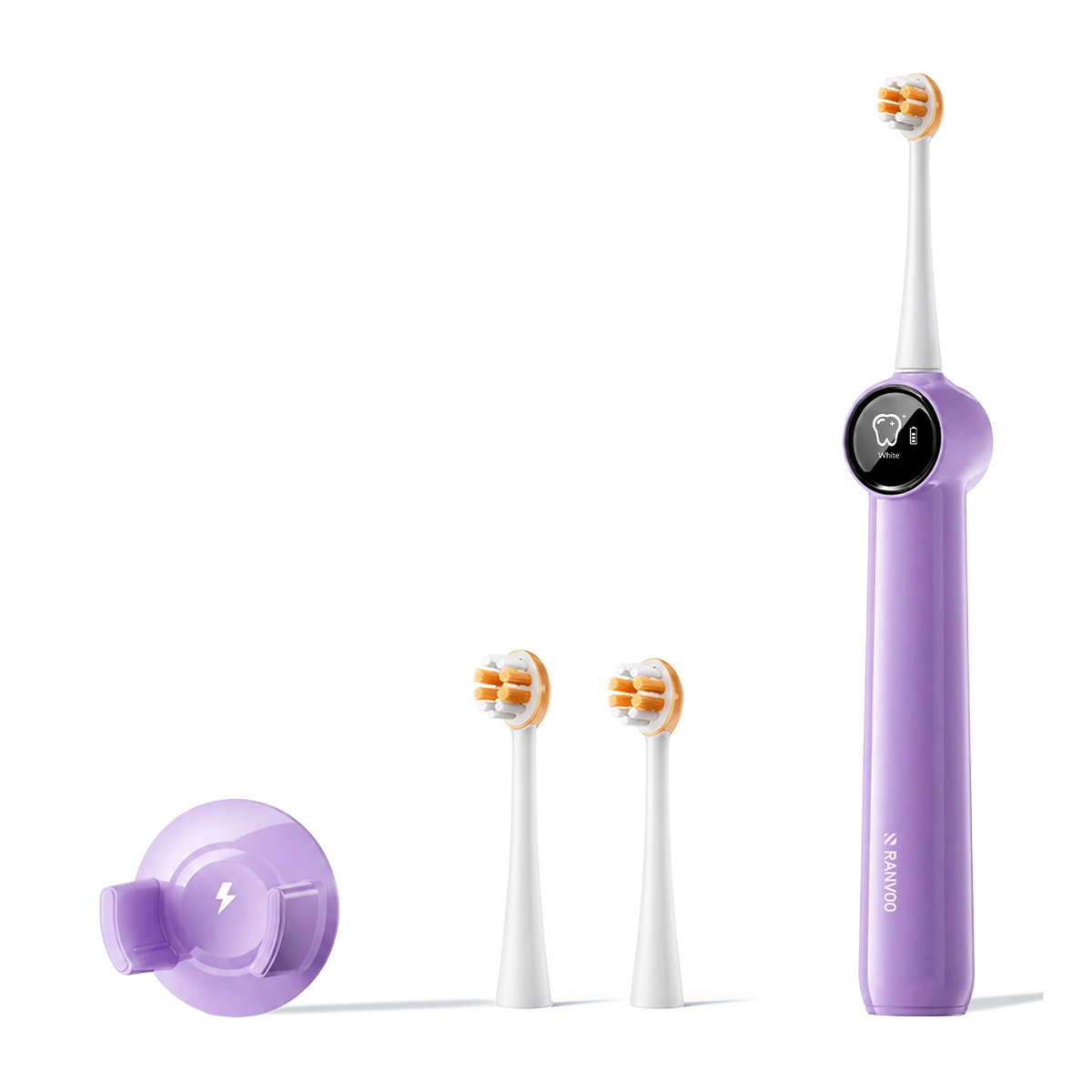
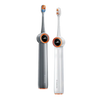
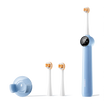
Powered brushes are not magic, but reviews suggest they can reduce plaque and gingivitis more than manual brushes. The benefit still depends on using good technique.
Inventors, Myths, and Milestones
People often ask who invented the toothbrush. The honest answer is that no single person did. Different cultures developed tools in parallel, and early records are incomplete.
| Milestone | What history actually shows |
|---|---|
| First bristle toothbrush | Developed in China during the Tang dynasty, using hog bristles in bone or bamboo handles. Archaeological report |
| Modern mass-produced toothbrush | William Addis created a bone-handled, multi-row brush in the 1780s and built a company. The prison story is part legend, part documented history. Historical review |
| Fluoride toothpaste | Fluoride was tried in 1914, but acceptance grew in the 1950s–1960s after evidence showed cavity prevention. Clinical review |
| Electric toothbrush | Early patents appeared in the 1930s; modern rechargeable models arrived in the 1950s. History of the toothbrush |
Common oversimplifications to avoid:
- The toothbrush did not have one inventor.
- Ancient pastes were not automatically safe. Many were rough enough to wear enamel.
- Fluoride acceptance was slow, not an overnight change.
What the History Means for Your Routine
History points to a simple routine:
- Use a soft or medium toothbrush.
- Use a fluoride toothpaste.
- Brush gently.
- Be cautious with harsh homemade powders or old-style abrasive mixes.
Soft or medium brushes are usually gentler on gums. Fluoride toothpaste is the proven cavity-fighting part of the routine. Gentle brushing reduces the risk of enamel wear.
If your gums bleed often or a tooth hurts, see a dentist.
The best routine from thousands of years of history: soft bristles, fluoride toothpaste, and a gentle touch. Harsh scrubbing is the old mistake to leave behind.
 Best Overall
 Best Value
 Best for Sensitive Teeth
This article has been reviewed by an oral health professional for accuracy. It is intended to provide general educational information and should not be used as a substitute for personalized medical advice, diagnosis, or treatment. If you have questions or concerns about your oral health, please consult a dentist, physician, or other qualified healthcare provider.