
















At-home tooth whitening gel can safely brighten teeth when you use a regulated product, follow the label exactly, apply only the recommended amount, keep the gel off your gums, and stick to the correct timing. Stop and contact a dentist if you have ongoing pain, swollen or bleeding gums, white spots on the gums, or no improvement after correct use. Most mild sensitivity is temporary, but safety comes from being gentle, not from using more.
More gel or longer wear time will not make whitening faster or better. It usually causes more tooth sensitivity and gum irritation.
Check Your Mouth First
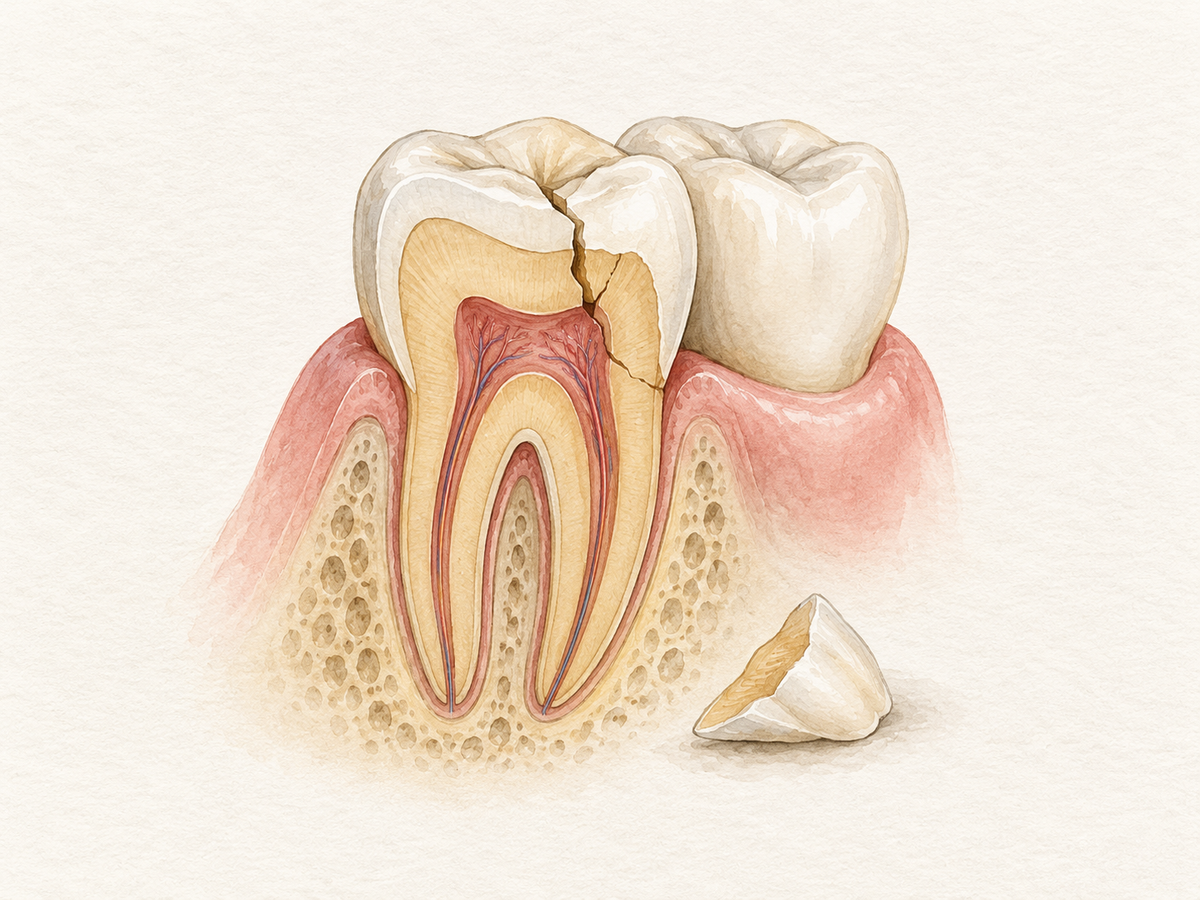
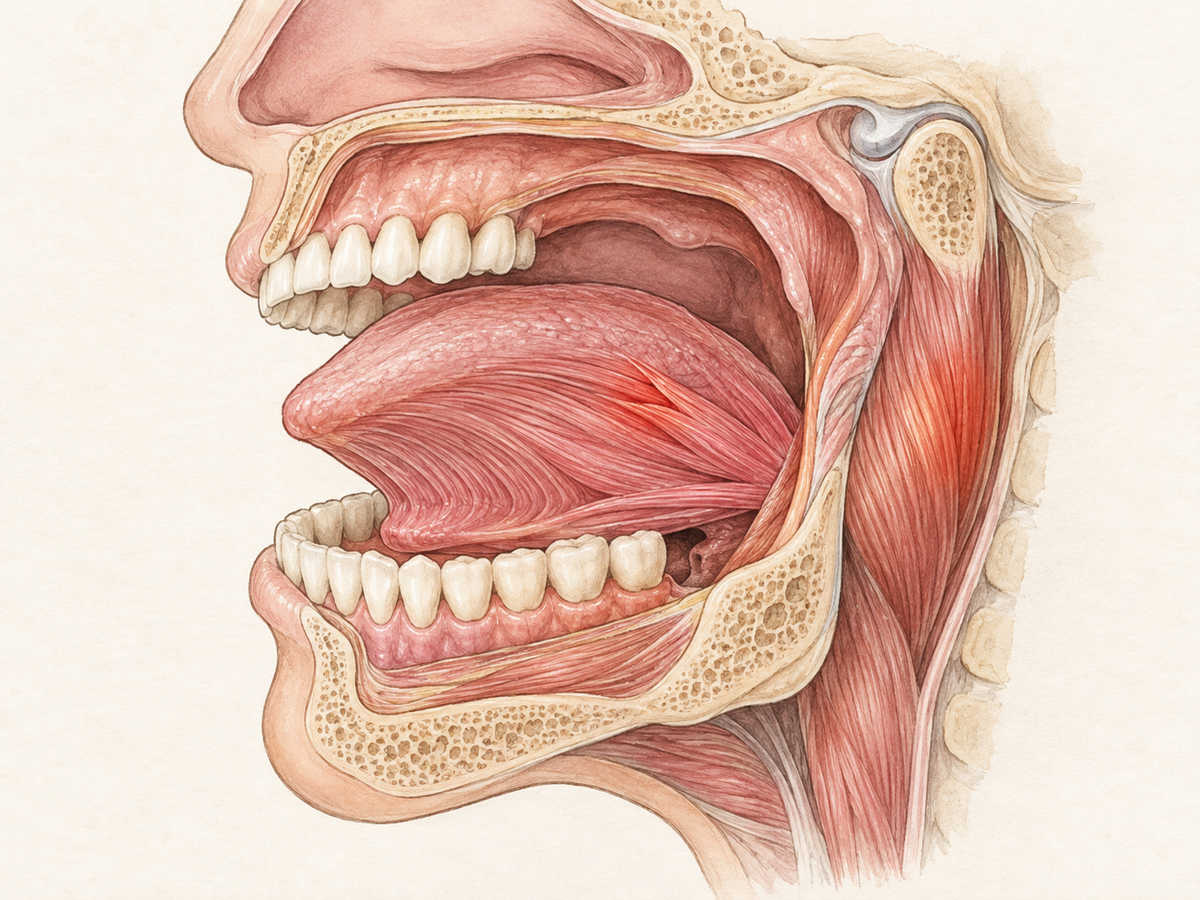
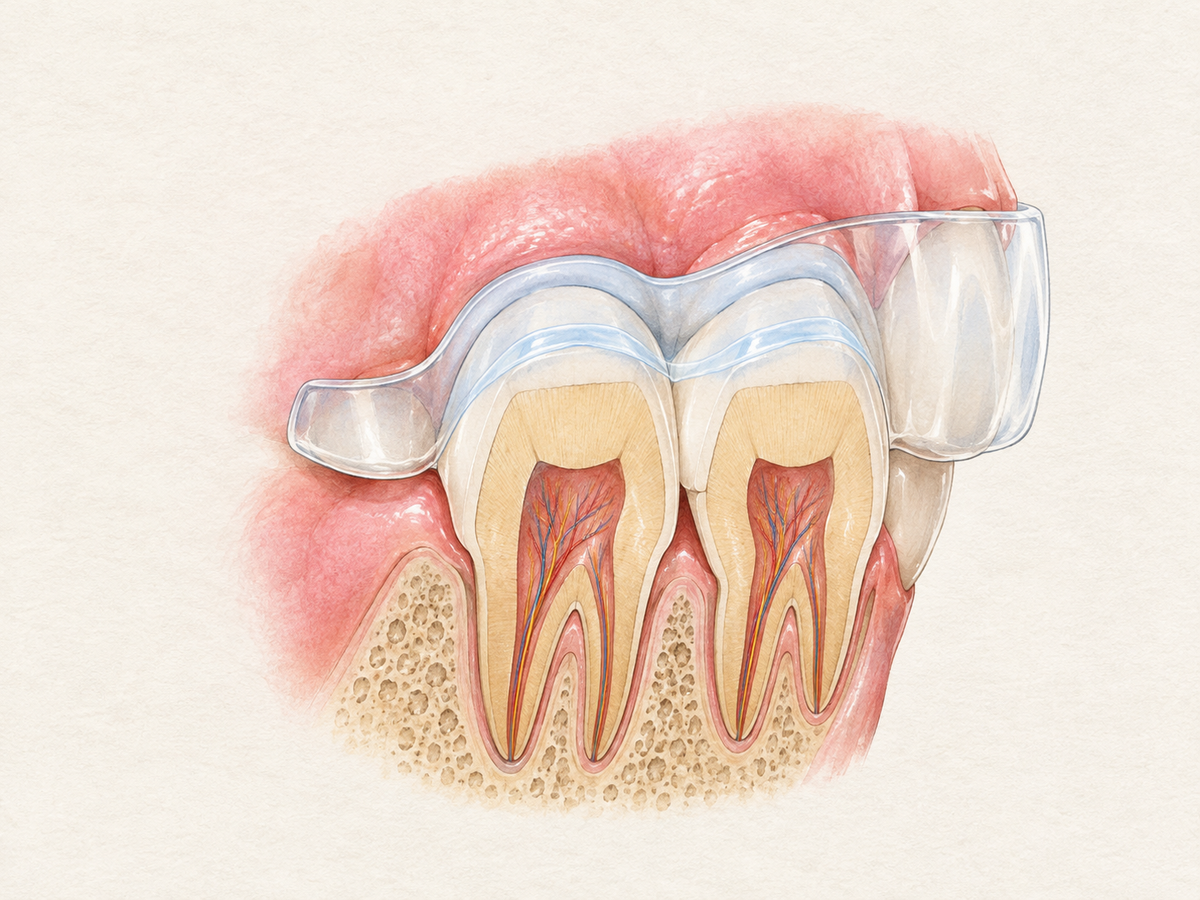
Before opening the gel, look at your teeth and gums in a mirror. Whitening works best when the mouth is healthy. Enamel is the hard outer layer of each tooth, and it should be in good shape before gel touches it.
Things to check:
- Cavities: Untreated tooth decay can let the gel reach deeper parts of the tooth and cause sharp pain.
- Exposed roots: Root surfaces near the gum line can feel sensitive and may sting during whitening.
- Gum irritation: Red, swollen, or bleeding gums need to settle before you place gel near them.
- Recent dental work: New fillings, crowns, veneers, or bonding can be irritated, and they will not whiten like natural teeth.
Dental safety guidance advises against bleaching teeth with untreated cavities, exposed dentin, or faulty dental work (clinical safety guidance on peroxide whitening). If anything looks off or you are unsure, ask a dentist first. That protects your enamel and gums rather than slowing you down.
Choose and Store the Gel Wisely
Read the box before you buy or use. The label should clearly state the active ingredient and its concentration. Whitening gels usually contain hydrogen peroxide or carbamide peroxide, which breaks down into hydrogen peroxide. A 10% carbamide peroxide gel is a well-known at-home option (review of modern teeth whitening concepts).
Check for these details:
- Concentration or strength clearly listed
- Full instructions with exact wear time and number of days
- Expiry date that has not passed
- A tray or strips that fit well and are not damaged
- Sealed packaging from a known retailer or brand
Avoid products that do not list a concentration, have no directions, or come from unknown sellers. Unregulated or inappropriate products can be too strong or unstable, which increases the chance of burns and irritation (clinical safety guidance on peroxide whitening).
Store the gel as directed on the package. Most at-home gels should stay at room temperature, away from heat and direct sunlight, with the cap closed. Keep the gel out of reach of children.
Prep Teeth and Gums
Set yourself up before applying anything. A little preparation reduces mistakes.
- Brush gently with fluoride toothpaste and floss. This removes plaque and film so the gel can reach the tooth surface.
- Rinse and gently dry the teeth with a clean gauze or tissue. Too much moisture can dilute the gel.
- If the product includes a gum protectant or barrier, apply it exactly as directed.
- Check the tray or strip. It should cover the teeth without pressing hard into the gums.
Do not scrub so hard that your gums bleed. You want clean, calm gums before whitening.
Apply the Gel Correctly
Gel is not toothpaste. Use a small amount in the right place.
Follow these steps:
- Read the product directions once more.
- Put only the instructed amount in the tray. This is usually a thin line or small dot along the front surface where each tooth sits. Do not fill the tray.
- Seat the tray or strip gently. If gel squeezes onto your gums, wipe it away with a clean tissue right away.
- Start a timer. Use the exact wear time on the label. Do not leave it on longer.
- Remove the tray or strip as directed, spit out any excess, and rinse only if the instructions say to.
Do not swallow the gel. If you accidentally swallow more than a tiny trace, contact a healthcare provider or poison control.
Avoid Common Mistakes
Most pain or poor results come from doing too much. The safest approach is to follow directions with restraint.
| Mistake | Why it matters | Safer move |
|---|---|---|
| Using too much gel | Extra gel spills onto gums and raises irritation | Use only the instructed amount |
| Leaving it on too long | More exposure can increase tooth sensitivity | Set a timer and follow the label |
| Whitening too often | Frequent sessions can keep teeth and gums irritated | Wait as long as the instructions say |
| Skipping gum protection | Gel can touch and inflame the gums | Use the included barrier and wipe overflow |
| Mixing products | Combined bleaching products can overload teeth and gums | Use one product at a time |
Most problems with peroxide whitening are linked to inappropriate use, overuse, or unsuitable products (clinical safety guidance on peroxide whitening). When in doubt, do less, not more.
Manage Sensitivity and Irritation
Mild temporary tooth sensitivity is common. It may feel like a brief zing with cold air or cold drinks. Gum tingling can also happen. It usually settles after a day or two. At-home products may cause less intense sensitivity than in-office treatment, although the evidence is limited (comparison of at-home and in-office bleaching).
If discomfort shows up:
- Pause the whitening for a day or two.
- Use a toothpaste made for sensitive teeth for gentle brushing.
- Avoid very hot, cold, or acidic foods and drinks during treatment.
- Once your mouth feels better, you can try again only if the instructions allow, and consider gentler or less frequent use.
Mild, short-lived sensitivity that improves after a break is usually okay. Sharp, constant, or worsening pain is not. That is a sign to stop and call a dentist.
Aftercare and Maintenance
After whitening, keep your routine gentle. Many instructions suggest avoiding heavy staining foods and drinks for the first day or two. That is a reasonable extra step, but do not stress if you cannot follow a strict “white diet.” A systematic review found that strict dietary restrictions have not been shown to be necessary for good whitening results (white-diet review).
Protect your results with simple steps:
- Brush gently with fluoride toothpaste and floss daily.
- Avoid aggressive scrubbing, especially if your teeth feel sensitive.
- Wait at least as long as the directions recommend between whitening rounds.
- For upkeep, a short touch-up may be enough rather than restarting a full course.
Less often is usually safer. Frequent whitening can irritate gums and teeth, especially if you are also brushing hard or using other whitening products at the same time (clinical safety guidance on peroxide whitening).
Know When to Stop
Stop using the gel and contact a dentist if you notice:
- Ongoing pain that does not improve or gets worse
- Swollen or bleeding gums
- White spots or patches on the gums
- Uneven or patchy whitening
- No visible change after correct use
- Any untreated dental problem
White spots on the gums can be a sign of chemical irritation. If gel touches the gums and they look white, rinse the area with water right away (clinical safety guidance on peroxide whitening).
Safe whitening is gradual, comfortable, and guided by instructions. If your mouth hurts, give it a break. If something looks or feels wrong, ask a dentist. A healthy mouth matters more than a few shades of white.
 Best Overall
 Best Value
 Best for Sensitive Teeth
This article has been reviewed by an oral health professional for accuracy. It is intended to provide general educational information and should not be used as a substitute for personalized medical advice, diagnosis, or treatment. If you have questions or concerns about your oral health, please consult a dentist, physician, or other qualified healthcare provider.