















TL;DR: Pericoronitis is a bacterial infection trapped under the gum flap of a partially erupted tooth—usually a wisdom tooth. It causes throbbing pain, swelling, and a foul taste. You didn't cause this; your anatomy did. Most cases resolve with professional cleaning and irrigation, not antibiotics. Severe infections require urgent care. Long-term, extraction or minor surgery prevents recurrence.

Is It Pericoronitis? Quick Symptom Check
The dull ache in the back of your jaw started two days ago. Now it's a sharp, throbbing pain that radiates toward your ear every time you swallow. You run your tongue over the area and feel a puffy, tender flap of gum draped over your last molar. When you press on it, a salty, unpleasant taste floods your mouth. You might even notice it's suddenly harder to open your jaw wide enough to bite into a sandwich.
These are the classic calling cards of pericoronitis—an infection of the soft tissue surrounding a partially erupted tooth, most commonly a wisdom tooth.
This is a self-assessment guide, not a diagnosis. Only a dentist can confirm what's happening. But if the picture above sounds familiar, here's what you're likely experiencing:
- Pain and tenderness localized to the very back of your jaw, often one-sided.
- Swollen, reddened gum tissue partially or fully covering a tooth that never quite came all the way in. This flap of tissue is called the operculum.
- A persistent bad taste or halitosis that doesn't improve with brushing—caused by pus slowly draining from under the gum flap.
- Trismus—the medical term for limited jaw opening—because inflammation has irritated the nearby chewing muscles.
- Pain with swallowing, as the back-of-mouth swelling encroaches on the throat.
"The previously sterile space formed between the crown of a tooth and the dental follicle is exposed to intraoral microflora as the tooth erupts. This small pocket is difficult to clean, forming an excellent environment for anaerobic bacteria to dwell."
That's how the National Institutes of Health's StatPearls reference describes the chain reaction that sets off your symptoms. You're not dealing with a hygiene failure. You're dealing with biology.
Why This Happens (Causes of Wisdom Tooth Infection)
Pericoronitis feels personal. The pain makes you replay every time you skipped flossing. But the truth is more mechanical.
When a wisdom tooth erupts only partway—what dentists call a partial impaction—it leaves a flap of gum tissue (the operculum) draped over its chewing surface. That flap creates a warm, dark, low-oxygen pocket between the gum and the tooth. Every time you eat, microscopic food particles pack into that space. Your toothbrush bristles can't reach inside. Floss slides off.
Bacteria take full advantage.
The Bacteria Behind the Pain
The infection isn't caused by a single rogue pathogen. The microbial community in a pericoronitis pocket is what microbiologists call "mixed and dominated by anaerobic bacteria." A 2020 study published in Frontiers in Microbiology demonstrated that the distal subgingival plaque of mandibular third molars was the site most closely associated with acute pericoronitis, showing a distinct shift in microbial composition during infection.
The usual suspects include Streptococcus milleri group, anaerobic Actinomyces and Prevotella species, and Fusobacterium nucleatum. Importantly, this microbial profile is different from what causes garden-variety periodontitis. It's a specific infection driven by a specific anatomical trap.

Why You? Why Now?
The peak incidence of pericoronitis strikes between ages 20 and 29, according to clinical data cited in multiple peer-reviewed reviews. This is the prime eruption window for wisdom teeth.
Beyond that, several factors stack the deck:
- Tooth position matters. An expert consensus published in the International Journal of Oral Science notes that pericoronitis occurs in over 82% of cases around lower third molars, with specific positional classes carrying greater risk. A tooth angled forward or sitting high in the jaw is harder to keep clean.
- The upper tooth punches down. As the opposing wisdom tooth erupts, it can bite directly onto the swollen operculum, traumatizing the tissue and worsening inflammation.
- Life stress and immune dips. Stress, upper respiratory infections, and even menstrual cycle shifts can temporarily lower immune defenses, letting a smoldering low-grade infection flare into an acute event.
The takeaway? Pericoronitis is a problem of architecture, not effort. You could brush perfectly and still find yourself here.
At-Home Relief That Actually Works
If you're reading this while holding an ice pack to your jaw, let's get you some immediate help.
These strategies won't cure the infection. They buy you time and comfort until you can see a dentist. Evidence-based clinical guidelines published in the International Journal of Environmental Research and Public Health emphasize that local measures are the appropriate first response for initial pericoronitis, with antibiotics reserved only for severe or spreading infections.
1. Warm Saltwater Rinses (Most Effective First Step)
This isn't folk wisdom—it's debridement. A saltwater rinse helps flush food debris and bacteria from under the operculum while the mild hypertonic solution reduces tissue swelling.
Exact instructions:
- Dissolve ½ teaspoon of table salt in 8 ounces of warm water (not hot—think comfortable baby-bottle temperature).
- Swish gently for 30 seconds, focusing on holding the liquid over the painful area.
- Repeat 3–4 times daily, especially after eating.
- Do not rinse aggressively. Forceful swishing can drive debris deeper.
2. Cold Compress for Swelling
Wrap an ice pack or a bag of frozen peas in a thin towel. Apply to the outside of your jaw for 15 minutes on, 15 minutes off. This constricts blood vessels, reducing swelling and providing genuine pain relief—not just distraction.
3. Over-the-Counter Pain Relief
A nonsteroidal anti-inflammatory drug like ibuprofen addresses both pain and inflammation. Follow the dosing instructions on the label exactly. According to StatPearls treatment guidelines, oral analgesia with NSAIDs should be the primary method of pain management for pericoronitis when systemic infection isn't suspected.
4. Gentle Cleaning (If Tolerable)
If pain allows, use a soft-bristled manual toothbrush or a power toothbrush to very gently clean the biting surface of the affected tooth. A low-frequency electric toothbrush can help dislodge surface debris through mild vibrations without the aggressive scrubbing that might traumatize inflamed tissue. Angle the bristles to sweep debris away from the gum flap rather than packing it underneath.
What Not to Do
- Don't apply heat to a swollen jaw—it can worsen the spread of infection.
- Don't try to drain anything yourself. Probing with sharp objects is how a localized infection becomes a spreading one.
- Don't rely on alcohol or hydrogen peroxide rinses your friend swears by. These can irritate tissue and, at wrong concentrations, cause harm.
- Don't take leftover antibiotics from a previous prescription. The bacterial mix in your mouth may not be susceptible to that drug, and incomplete dosing breeds resistance.
These measures are bridges to professional care, not destinations. Pericoronitis that only gets partial treatment often comes back angrier.

When You Need Professional Treatment
Knowing when to stop self-managing and seek immediate help is the most important skill in this article.
Red Flags: Go to Emergency Care Now
Some symptoms signal that infection has spread beyond the tooth into deeper facial spaces. This isn't about saving a molar—it's about protecting your airway.
Get to an emergency department or call emergency services if you experience:
- Difficulty breathing or a feeling that your throat is closing. Swelling that spreads to the floor of the mouth or deep neck spaces can compromise the airway in hours. This progression toward Ludwig's angina—a life-threatening cellulitis of the submandibular and sublingual spaces—is a surgical emergency.
- Inability to swallow your own saliva. If you're drooling because swallowing hurts too much or is physically blocked, the swelling has advanced.
- Fever over 101°F (38.3°C) accompanied by chills or rapid heart rate, suggesting systemic spread.
- Swelling that crosses the jaw midline or extends visibly into the neck.
- Numbness in the lower lip or chin, which can indicate nerve involvement or spreading infection in the inferior alveolar nerve distribution.
Urgent Dental Visit (Call Today, Be Seen Within 24–48 Hours)
Even without the red flags above, professional intervention is necessary when:
- Pain isn't controlled by over-the-counter medication.
- Swelling is limited to the gum area but isn't improving with saltwater rinses.
- You notice purulent discharge (visible pus) when pressing on the gum.
- Mouth opening has reduced to the point that eating is impossible.
What Actually Happens at the Appointment
Fear of the unknown keeps people in pain longer than the pain itself. Here's what to expect:
First, the dentist examines the area and likely takes a periapical x-ray or panoramic radiograph. This distinguishes pericoronitis from a periapical abscess—an infection at the root tip of a decayed tooth, which requires different treatment. The image also reveals the tooth's angulation, depth of impaction, and proximity to the inferior alveolar nerve.
Local treatment begins immediately. Using a sterile solution—typically saline, chlorhexidine, or dilute hydrogen peroxide—the dentist irrigates the pocket under the operculum. A small periodontal instrument gently debrides (scrapes) trapped debris. This alone often provides dramatic relief.
Antibiotics are not automatic. Evidence-based guidelines are clear: antibiotics should be reserved for cases where systemic spread is present. When indicated, the standard regimen is amoxicillin 500 mg every 8 hours or metronidazole 400 mg every 8 hours, typically for five days. The choice depends on penicillin allergy status and clinical judgment.
The longer-term conversation then addresses whether the tooth stays or goes. Options include:
- Operculectomy—surgical removal of the gum flap only. This makes sense when the tooth is positioned to erupt fully into functional occlusion with adequate space. It's less invasive than extraction but only works for favorable tooth positions.
- Wisdom tooth extraction—the definitive solution. This removes the anatomical pocket entirely and prevents all future recurrences. The decision weighs factors like impaction classification, nerve proximity, and the opposing tooth.
Preventing Future Flare-Ups
Once the acute infection settles—whether through debridement alone or after extraction—your focus shifts to prevention. Pericoronitis has a nasty habit of recurrence because the anatomical trap remains.
Master the Cleaning Angle
Standard brushing misses the back-of-mouth real estate where partially erupted teeth live. Effective prevention requires precision:
- Use a single-tuft brush (sometimes called an end-tuft or sulcus brush). This tiny, angled brush head reaches behind your last molar and gently sweeps debris from under the operculum's edge.
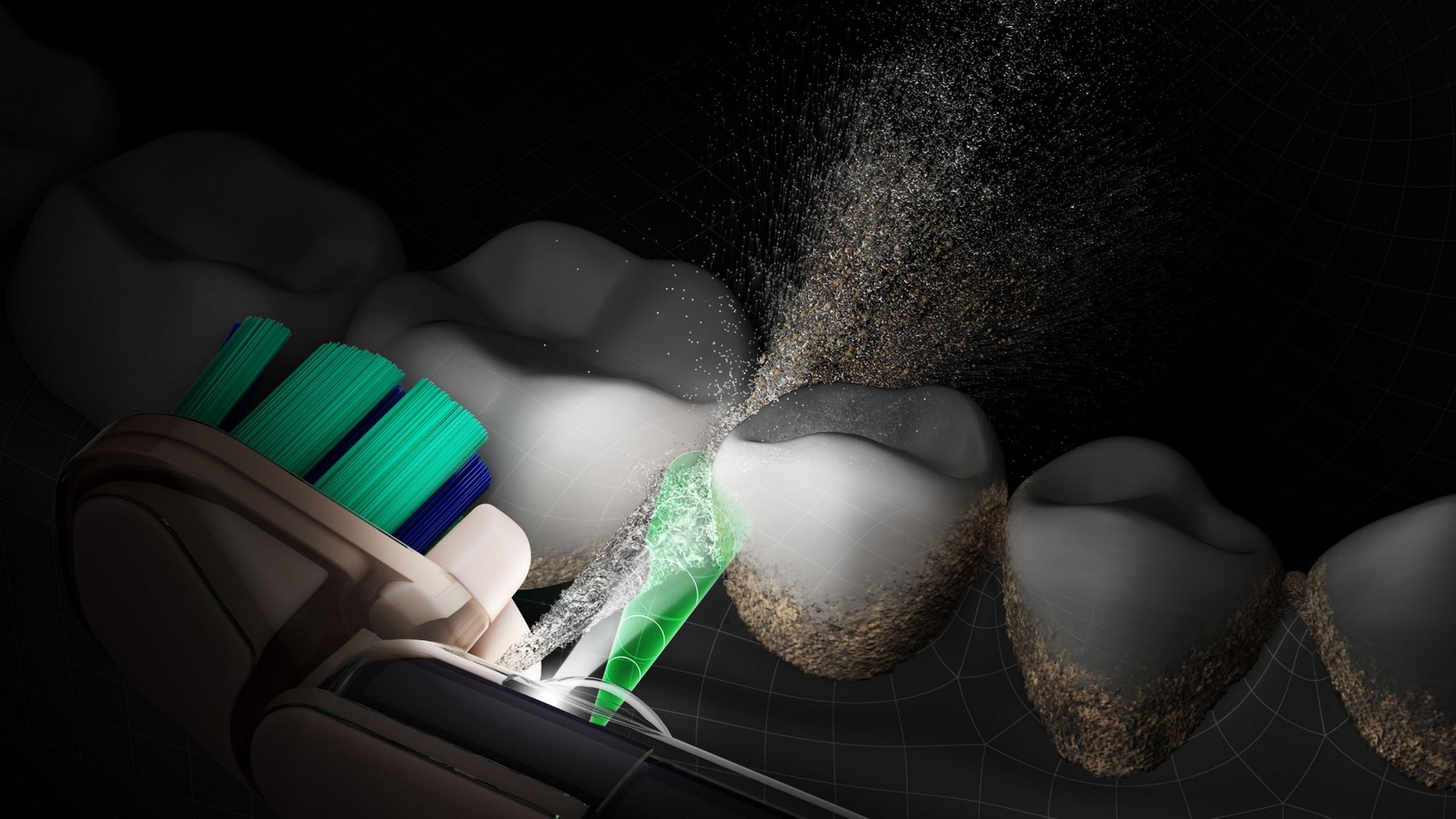
- Incorporate an oral irrigator on the lowest pressure setting. Direct the stream at the gumline around the partially erupted tooth, flushing the pocket without causing tissue trauma. This mechanically disrupts the bacterial biofilm in ways rinsing alone cannot match.
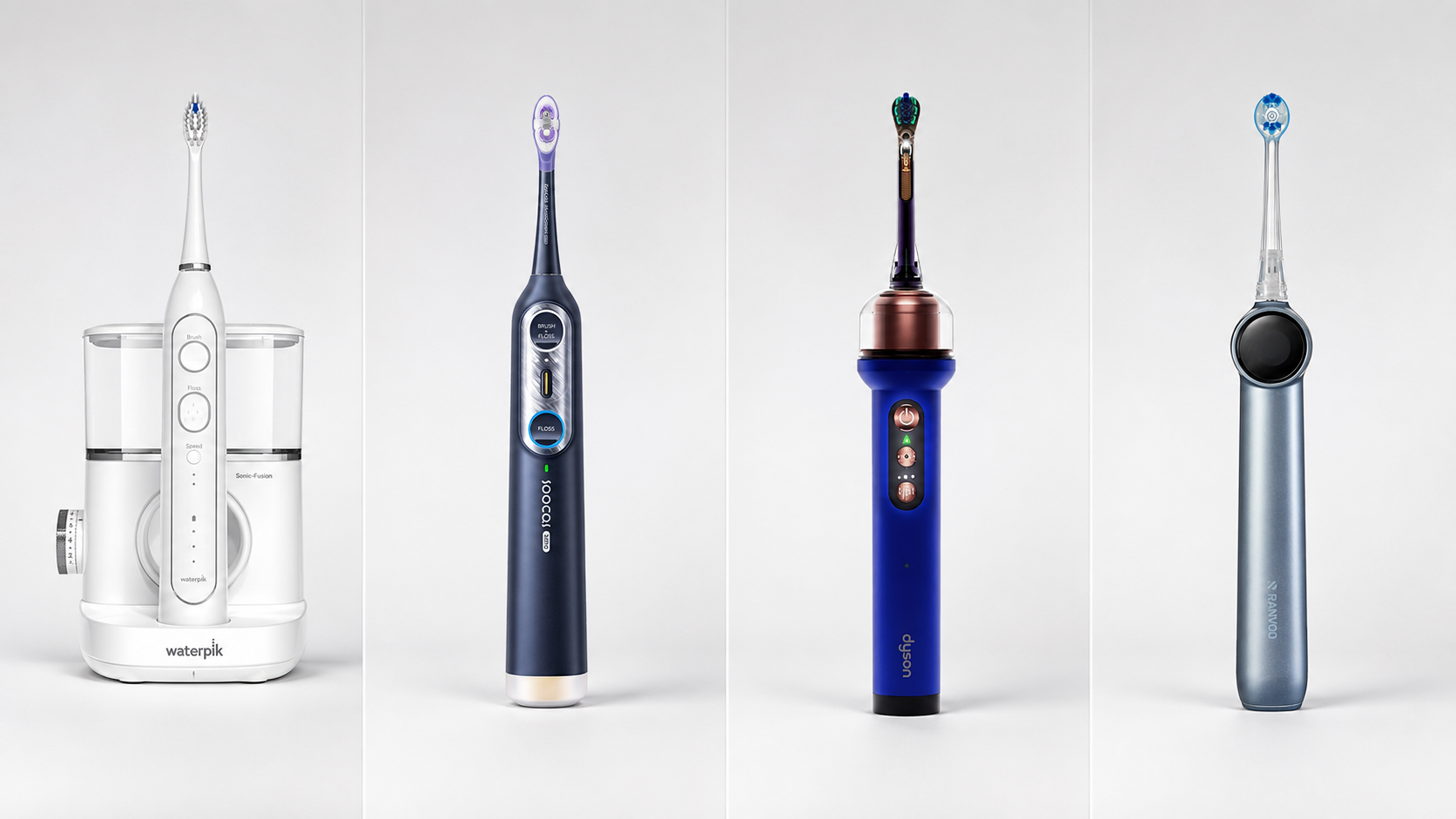
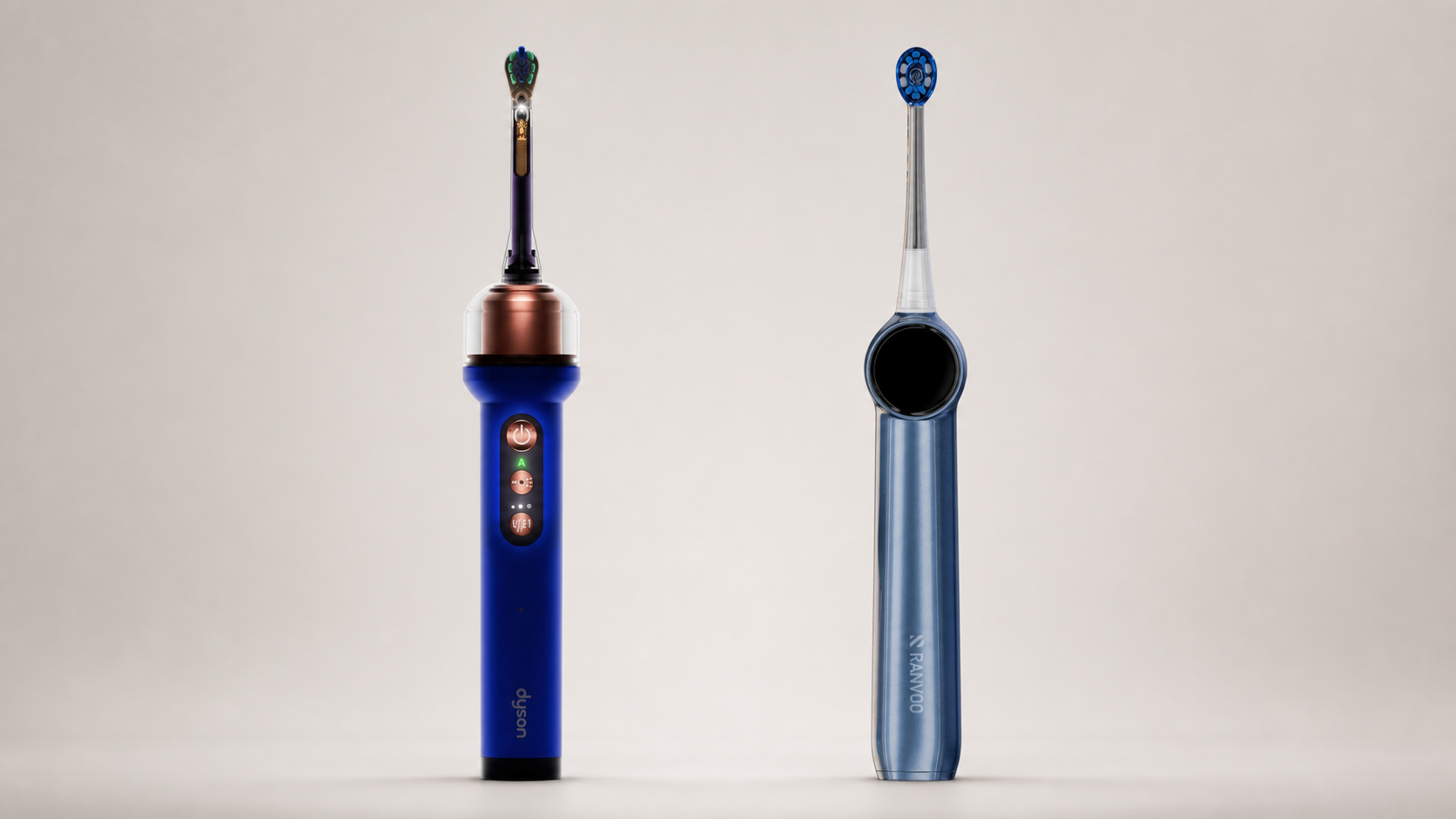
- A power toothbrush with a small brush head can dramatically improve access to posterior teeth. The oscillating-rotating motion helps disrupt plaque accumulation in the difficult-to-reach area behind a partially erupted wisdom tooth, and requires less manual dexterity than angling a manual brush. Make it a habit, not an afterthought.
Chlorhexidine Rinse (Dentist-Directed, Short-Term)
A 0.12% chlorhexidine gluconate mouthwash, used twice daily for one minute, is a potent topical antimicrobial. But this is not a permanent solution. Chlorhexidine stains teeth with prolonged use, alters taste sensation, and should be used only under professional guidance during active preventive phases.
Monitor Eruption
If extraction isn't immediately indicated, schedule routine check-ups that include radiographic monitoring of the partially erupted tooth. A position that looks manageable at 20 may become problematic by 25 as the opposing tooth presses down, creating chronic trauma and infection cycles.
Recognize Early Signs
The next flare-up almost always starts small: a vague tenderness, an odd sensation when biting down, a slight metallic taste. Catch it at this stage, and aggressive saltwater rinsing plus a dental evaluation often prevents a full-blown acute episode. Waiting until you can't open your jaw means you've already lost ground.
Pericoronitis is common, painful, and almost entirely manageable. It's not a verdict on your oral hygiene habits. It's a structural problem with a structural solution—cleaning the area effectively, treating infection promptly, and deciding with your dentist whether the tooth is worth keeping or better off gone. The infection has a cause. So does its cure.