For most people, the safest routine is: brush with fluoride toothpaste, spit out the excess, and do not rinse with water. Use mouthwash at a separate time of day if you want it. If you must use mouthwash right after brushing, choose one that contains fluoride. A fluoride-free rinse used right after brushing can wash away cavity protection.
Quick rule: Non-fluoride mouthwash belongs before brushing or at a different time of day. Fluoride mouthwash is the safer option if you want to rinse after brushing.
Why the Order Matters
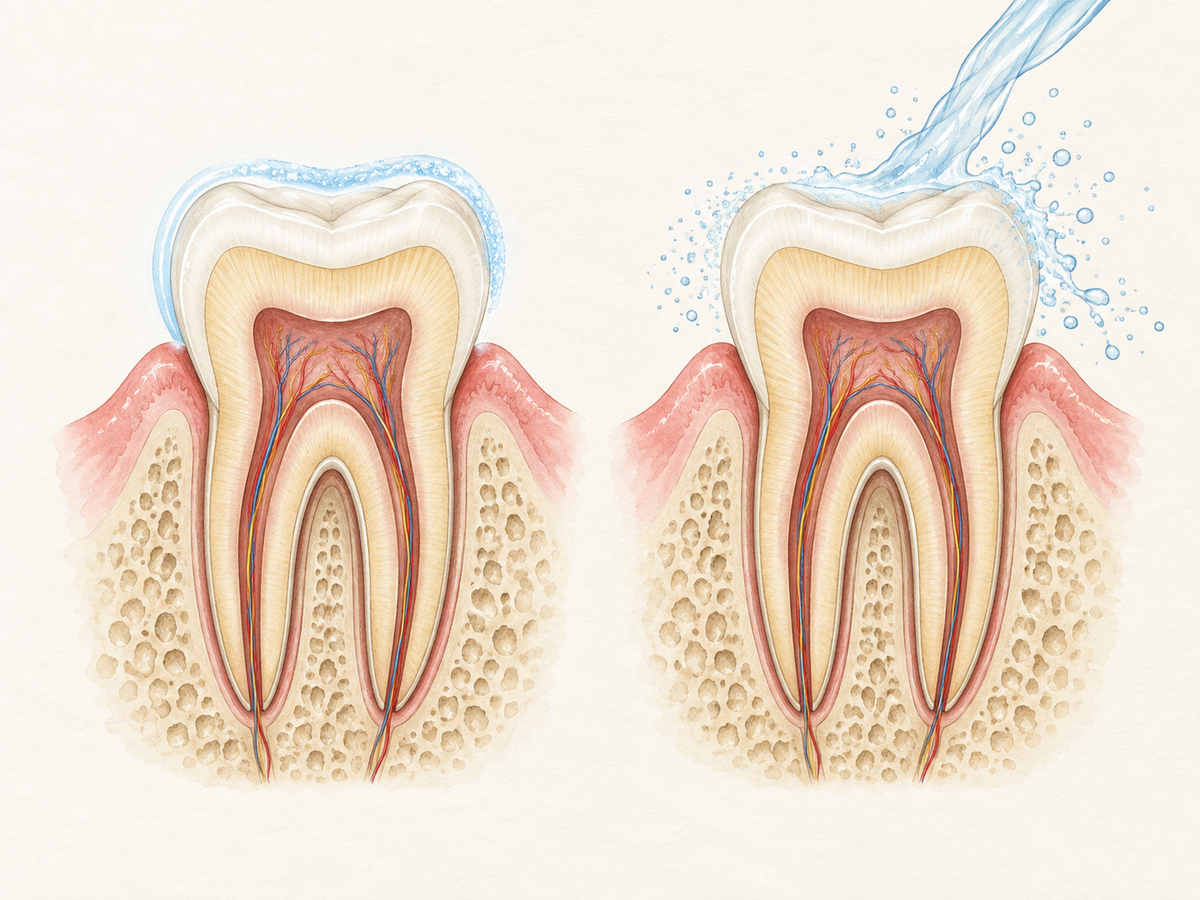
Toothpaste leaves a concentrated fluoride coating on your teeth. That coating is not just for cleaning. It gives your enamel a chance to absorb fluoride and become more resistant to cavities.
If you rinse with mouthwash too soon, you can dilute or wash away that coating. This matters most if the mouthwash does not contain fluoride. A review of post-brushing rinse advice explains that fluoride levels in saliva naturally drop quickly during the first 30 minutes after brushing, so keeping the toothpaste coating in place early on helps preserve its benefit.
In short, the timing question is not just about fresh breath. It is about protecting the fluoride that toothpaste leaves behind.
Check Your Mouthwash Type
Not all mouthwashes are the same. Before choosing when to use one, check the label for:
- Fluoride — helps protect against cavities.
- Alcohol — some people with dry mouth or sensitivity prefer alcohol-free options.
- Cosmetic — mainly freshens breath and may not provide cavity or gum treatment.
- Antiseptic — may help control plaque or gum problems.
- Prescription — may have specific timing and duration instructions from a dentist.
Here is a simple way to think about the main types:
| Type | Main purpose | Best timing habit |
|---|---|---|
| Fluoride mouthwash | Cavity protection | Separate time from brushing, or after brushing if needed |
| Cosmetic mouthwash | Fresh breath | Before brushing or at another time |
| Antiseptic mouthwash | Plaque or gum concerns | Follow label or dentist guidance |
| Prescription mouthwash | Specific dental problem | Use exactly as directed by your dentist |
Current guidance for dental professionals emphasizes that fluoride mouthwashes can support cavity prevention, while antiseptic mouthwashes may be useful for early gum problems. Cosmetic rinses mostly freshen breath.
Best Time for Fluoride Mouthwash
The best default is to use a fluoride mouthwash at a separate time from brushing. Midday or after lunch can work well.
That way, your toothpaste fluoride has time to stay on the teeth in the morning, and the mouthwash gets its own window later in the day.
If you cannot separate them, choose a fluoride mouthwash rather than a fluoride-free one. Some people also prefer to wait about 30 minutes after brushing for extra reassurance. A study using mouthwash after brushing suggests that a fluoride mouthwash used soon after brushing may not cancel the toothpaste’s cavity protection, while a non-fluoride mouthwash can.
After using mouthwash, spit it out. Do not rinse with water afterward.
Before Brushing: When It Can Make Sense
Using mouthwash before brushing can be fine if your main goal is fresher breath or loosening food and debris. This approach works best with a non-fluoride or cosmetic rinse.
Keep in mind that brushing afterward will remove most of that mouthwash. So the rinse will not leave lasting fluoride protection.
Think of before-brushing mouthwash as a breath-freshening step, not a cavity-prevention step. Guidance on post-brushing rinsing says non-fluoride rinses should preferably be used before brushing or at a different time from fluoride toothpaste.
After Brushing: The Main Risk
Using mouthwash immediately after brushing is the most common way people accidentally reduce fluoride benefits.
The risky combo is brushing with fluoride toothpaste and then immediately using a fluoride-free mouthwash. A laboratory study found that fluoride-free mouthwashes may decrease the remineralization, or enamel-repair, benefit of fluoride toothpaste.
If you really prefer mouthwash after brushing:
- Choose a fluoride mouthwash.
- If you only have a non-fluoride rinse, wait at least 30 minutes or move it to another time of day.
- Spit out the mouthwash instead of rinsing with water.
This helps protect the fluoride coating while still allowing the mouthwash to do its job.
How to Build Your Routine
A simple daily routine can keep fluoride working while still allowing mouthwash for breath or gum concerns.
- Brush with fluoride toothpaste for two minutes.
- Spit out the excess toothpaste.
- Do not rinse with water.
- If you want mouthwash, use it at a different time of day.
- If you use mouthwash right after brushing, make sure it contains fluoride.
- Avoid eating or drinking for about 30 minutes after brushing.
Skipping the water rinse and using an appropriate amount of fluoride toothpaste can help keep fluoride available in your saliva longer, according to a salivary fluoride retention study.
Common Mistakes to Avoid
Avoid these habits because they can cancel some of the benefit of fluoride:
- Rinsing with water right after brushing.
- Using fluoride-free mouthwash right after brushing.
- Replacing brushing with mouthwash.
- Swallowing mouthwash.
- Using a strong antiseptic rinse daily without professional advice.
That last habit matters because some antiseptic rinses, such as chlorhexidine, can cause tooth staining or gum irritation when used long-term. A review of chlorhexidine mouthrinse noted an increase in tooth staining with longer use. These rinses are usually meant for short periods under professional guidance.
Special Situations to Check
Some people need more specific mouthwash instructions. That includes people with:
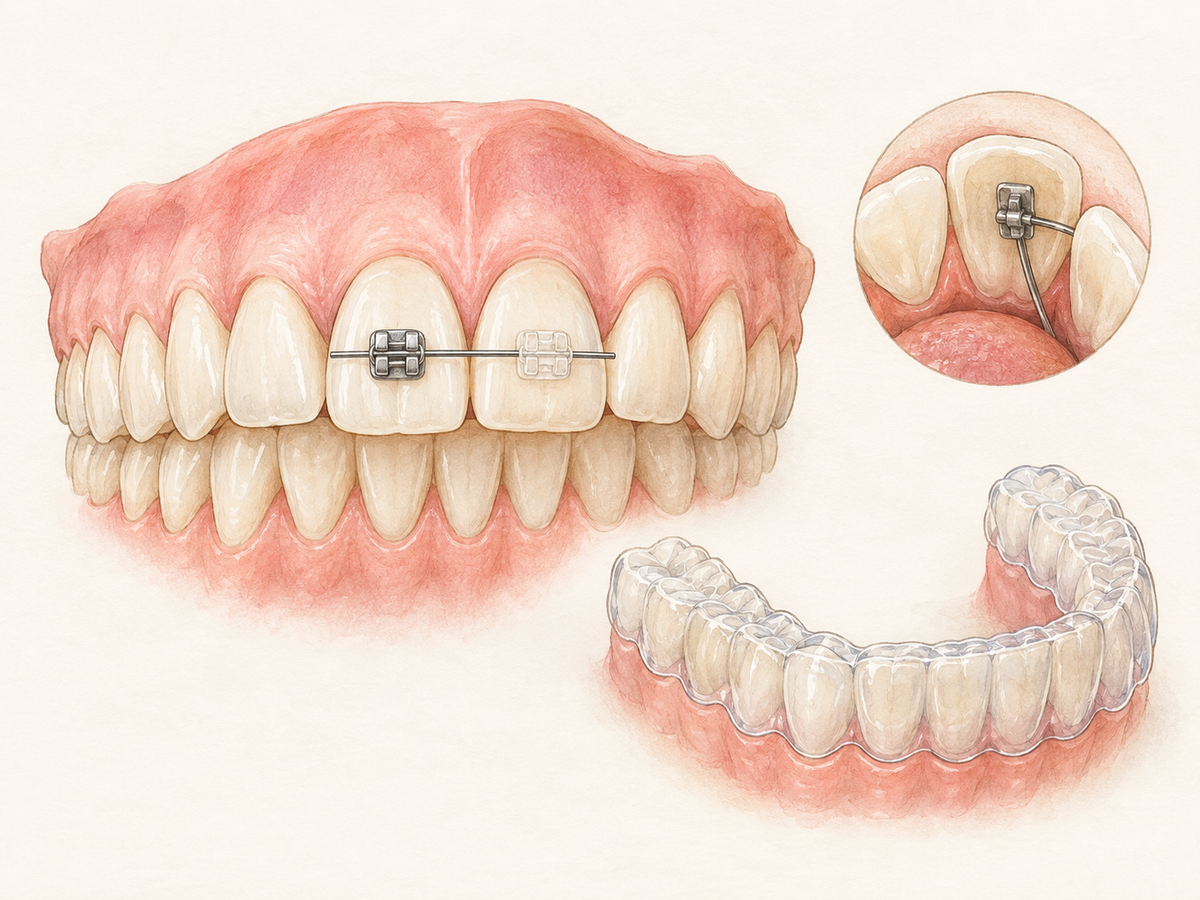
- Braces
- Gum disease
- Dry mouth
- Tooth sensitivity
- A history of cavities
Prescription mouthwashes often have different timing and duration rules than store-bought products. For example, a chlorhexidine rinse may be prescribed for short-term gum or post-surgical care, and it should not be used as a daily cosmetic rinse without guidance. An expert consensus on oral antiseptics highlights that chlorhexidine is usually reserved for defined short courses.
Check the label. If you are unsure how to fit mouthwash around brushing, ask a dentist or hygienist.
This article has been reviewed by an oral health professional for accuracy. It is intended to provide general educational information and should not be used as a substitute for personalized medical advice, diagnosis, or treatment. If you have questions or concerns about your oral health, please consult a dentist, physician, or other qualified healthcare provider.