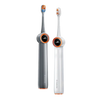





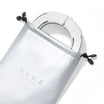


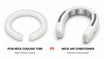


The short answer: The best neck fan depends first on whether you want moving air or a cold surface against your neck. For active contact cooling, the RANVOO AICE 3 and AICE LITE MAX are the strongest candidates in this evidence review.
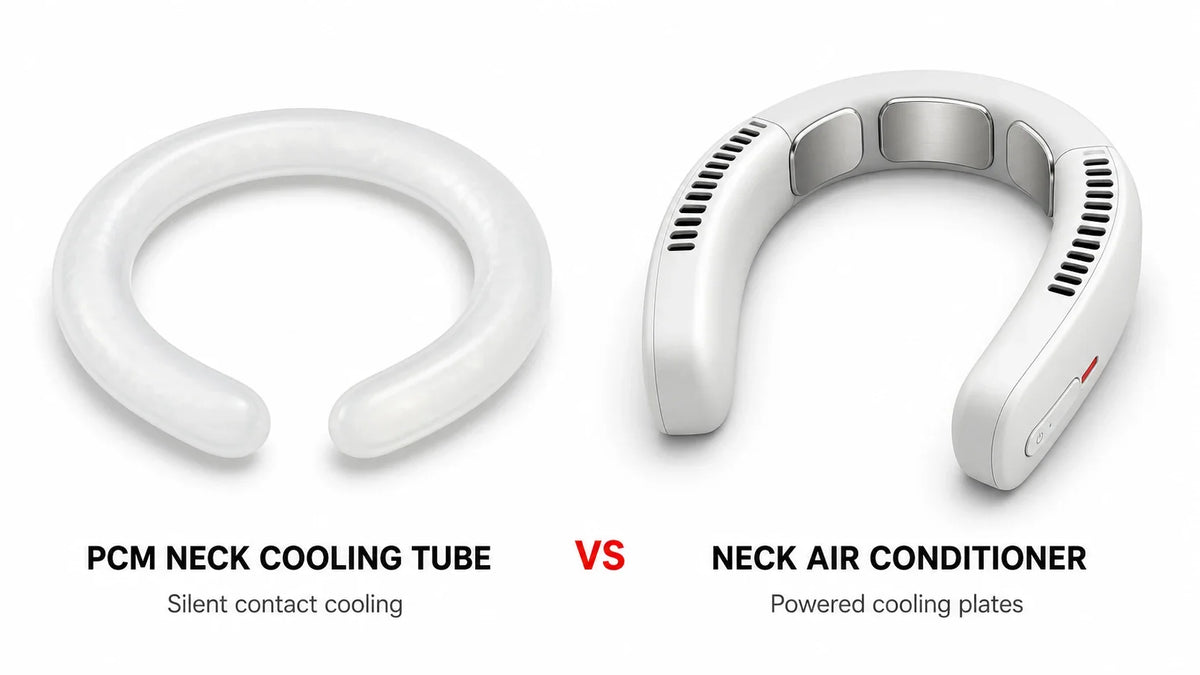
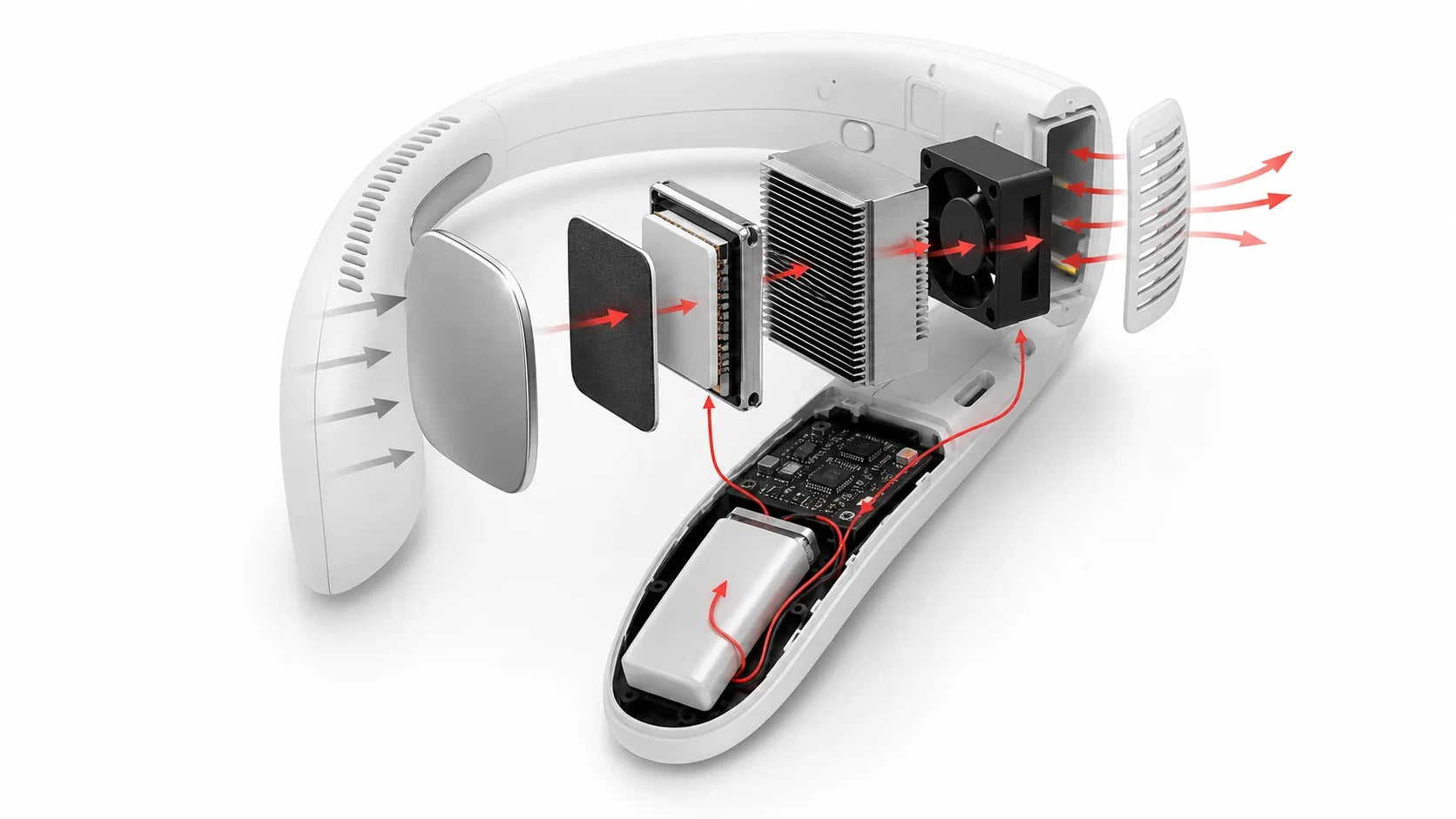
Neck cooling products now span a wide range. A basic fan-only model can cost a fraction of an active-cooling device, weigh much less and run longer. A true neck air conditioner adds thermoelectric cooling plates, heat sinks and more power demand in exchange for a distinct cold contact sensation. Comparing the two only by battery size, vent count or the lowest advertised temperature leads to bad recommendations.
If the terminology is new, start with our neck fan guide. It explains the difference between open-head fans, enclosed air-channel fans and thermoelectric neck air conditioners. This ranking uses those mechanisms as separate starting points, then compares fit, practical runtime, noise and daily usability.
How we evaluated neck air conditioners and neck fans

The content brief for this page requires original temperature, noise, weight and runtime evidence. That evidence was not included with the writing materials, so this draft does not pretend that specification review is laboratory testing. Instead, it uses three evidence levels:
-
Verified manufacturer specification: a value published on the current manufacturer page and checked on August 7, 2026.
-
Independent field impression: a product worn in warm real-world settings by a named external tester, with the test method and scoring categories disclosed.
-
RANVOO lab result pending: a measurement that must be collected under the shared protocol below before the page can claim “our tests show,” assign a numeric score or publish an overall winner.
The same-condition lab protocol required before publication
Every product should be charged to 100%, stabilized in the same room and tested at the same temperature and relative humidity. Record the room conditions, sample source, firmware or production version and test date. Then collect:
-
Cooling: cooling-plate surface temperature at 0, 30, 60, 180 and 600 seconds; air speed at a fixed distance from the vents; and a fan-only control. A plate-temperature drop is not the same as a change in core body temperature.
-
Comfort and fit: measured weight, neck-opening range, contact pressure, balance after 20 and 60 minutes, stability while walking, and whether hair, collars or glasses block an intake.
-
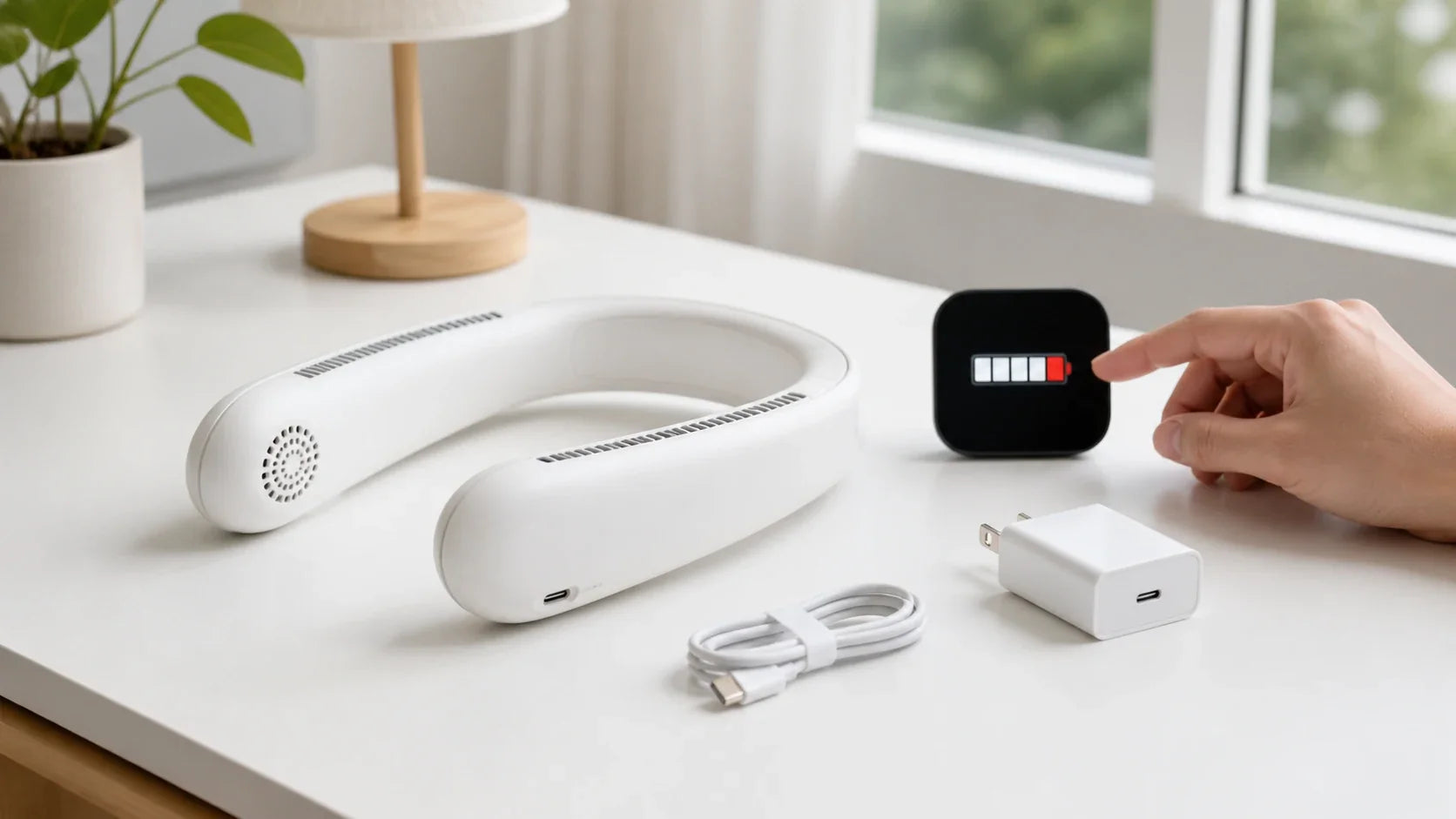
Battery: runtime at low, medium and maximum fan settings, plus separate maximum active-cooling runtime. Record whether the device throttles as the battery falls.
-
Noise: A-weighted sound level at a fixed distance and background noise floor for each operating mode. Because the motors sit close to the ears, an open-room measurement alone is not enough; add a user conversation check.
-
Usability: control clarity, accidental presses, USB-C behavior, charge-while-use support, cleaning access, app dependence and carrying size.

Once those fields are complete, calculate the score as 35% cooling effect, 20% comfort and fit, 20% battery life, 15% noise and 10% usability. Do not fill a missing test cell with a manufacturer claim or assume that a larger battery automatically produces a longer maximum-cooling runtime.
The best neck cooling products for 2026 at a glance
| Pick | Cooling type | Best for | Evidence used in this draft | Main trade-off |
|---|---|---|---|---|
| RANVOO AICE 3 | Active thermoelectric cooling + airflow | Strong, adjustable contact cooling and smart controls | Current RANVOO specification review | Listed at 562 g; in-house comparative runtime and comfort test still required |
| RANVOO AICE LITE MAX | Active thermoelectric cooling + airflow | Broad cooling-plate contact in a somewhat lighter RANVOO design | Current RANVOO specification review | Listed at 506 g; maximum-cooling runtime not supplied in the source material |
| TORRAS COOLiFY Lite | Fan-only enclosed airflow | Lightweight commuting and packability | 2026 Shop TODAY field test + brand-listed runtime | High setting can interfere with conversation; fit may be tight for some necks |
| Gulaki Neck Fan | Fan-only enclosed airflow | Budget airflow with a flexible fit | 2026 Shop TODAY field test + brand-listed runtime | Full effect arrives mainly on the highest setting |
| CIVPOWER Neck Fan | Fan-only enclosed airflow | Low-speed quietness and long claimed runtime | 2026 Shop TODAY field test + brand-listed runtime | Less airflow power than the strongest fan-only picks |
This is not a universal one-to-five ranking. Active-cooling models and fan-only models solve different problems, and the RANVOO candidates have not yet been measured in the same independent field test as the three fan-only picks. The labels below therefore identify the strongest fit for a use case, not a fabricated overall score.
Best active-cooling candidate: RANVOO AICE 3
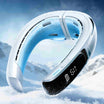
The AICE 3 is the most feature-rich active-cooling candidate in this shortlist. RANVOO lists four semiconductor cooling cores, an 8,900 mm² cooling and heating area, a 6000 mAh / 22.2 Wh battery, 0–2.75 m/s wind speed, 32–58 dB noise and a net weight of 562 g. The official page also lists a 2.7-hour charge time and app control.
Those specifications point to a device designed around direct contact cooling rather than light weight. The four cooling sections and adjustable temperature range make sense for someone who values a clear cold sensation at the neck and is willing to carry a 1.24-pound device. The mass, app features and extra electronics make it a less obvious choice for a traveler who mainly wants a simple breeze.
Why it stands out: It combines multiple cooling surfaces, airflow, heating and automatic control in one device. Its listed sound range is unusually transparent compared with pages that publish only “quiet” language.
What to verify: Maximum-cooling runtime, weight balance after 60 minutes, plate temperature under high ambient heat, whether the app is required for core controls, and conversation intelligibility at the upper end of the noise range.
Best fit: Outdoor breaks, hot commutes and stationary work where contact cooling matters more than minimum weight.
Best broad-contact active-cooling candidate: RANVOO AICE LITE MAX
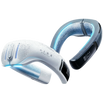
The AICE LITE MAX is the better RANVOO starting point for shoppers who want a larger contact area and a modest reduction in weight. RANVOO lists a 15,020 mm² cooling and heating area, 59–86°F (15–30°C) cooling range, 6000 mAh / 22.2 Wh battery, 0–3.2 m/s wind speed, 32–58 dB noise and 506 g net weight. Its listed charge time is two hours.
The key distinction is not the word Lite; at 17.85 ounces, it remains much heavier than the fan-only products in this article. Its value proposition is the large plate area and active cooling system. More skin contact can create a broader cold sensation, but it also makes fit more important: the plates must meet the neck evenly without creating pressure points.
Why it stands out: The listed cooling area is substantially larger than the AICE 3’s, while the listed weight is 56 g lower.
What to verify: Actual plate contact across small, medium and large neck sizes; maximum-cooling runtime; contact comfort after one hour; and whether a collar or long hair interferes with the rear circulation path.
Best fit: Shoppers prioritizing broad active contact cooling over ultra-light wear.
Best lightweight commuter fan: TORRAS COOLiFY Lite
Shop TODAY named the TORRAS COOLiFY Lite its best overall neck fan after one editor wore eight models in subway stations, on walks and in the office. The tester scored power, comfort, battery life, noise and additional features. COOLiFY Lite received 4.4 out of 5 overall, with 5 out of 5 for power.
The cited product data lists a weight of 10.9 ounces, three speeds and up to 14 hours of runtime. The tester reported broad airflow toward the nape, face and chest, a useful rear cushion and a foldable design. The same review noted that the neck opening may not suit everyone, the top setting can make conversation harder and the brand’s runtime range falls to about four hours at the highest setting.
Why it stands out: It is far lighter than the active-cooling RANVOO products and folds for a bag, while independent field use supports its airflow coverage.
What to verify: Neck-opening dimensions, noise in dBA, medium-setting runtime and whether the fan-only mechanism meets your expectation. It moves ambient air; it does not provide a chilled plate.
Best fit: Mixed walking and transit, travelers who value packability, and users who prefer airflow to a heavy contact cooler.
Best budget neck fan: Gulaki Neck Fan
The Gulaki is the value pick in Shop TODAY’s 2026 field test. It scored 4.1 out of 5 overall and was described as delivering useful airflow even on the second setting, with a flexible fit and less noise than expected at high speed. The cited product data lists 9.92 ounces, three speeds and up to 15 hours at the lowest setting or about five hours at the highest.
Its color-changing lights do not improve cooling and should not drive the decision. The more relevant advantages are lower cost, relatively low weight and a flexible neckband. The tester also noted that the strongest effect comes at the third setting, which means buyers should use the high-setting runtime—not the maximum marketing figure—for a hot commute.
Why it stands out: A practical fan-only entry point with independent evidence of good power for the price.
What to verify: Current seller identity, return policy, USB input, replacement support and hair clearance at the intakes.
Best fit: First-time buyers who want inexpensive hands-free airflow and can accept fewer premium fit features.
Best for quiet low-speed use and long claimed runtime: CIVPOWER Neck Fan
The CIVPOWER received the highest noise score in Shop TODAY’s group: 4.5 out of 5. The tester found its lowest setting barely audible and its highest setting slightly quieter than the other picks, while noting that no neck fan is silent. The cited data lists an 8.9-ounce weight, three speeds, a three-hour charge time and up to 16 hours on the lowest setting.
There is a clear trade-off. The same test scored power at 3.5 out of 5 and said airflow was not as strong as the leading fan-only picks. That makes CIVPOWER a better match for an office or long low-speed session than for someone seeking maximum airflow outdoors.
Why it stands out: The lightest listed weight among these five picks, the longest low-setting runtime claim and the strongest external noise score.
What to verify: High-setting runtime, actual dBA at the ear, neck-opening flexibility and whether the airflow remains useful in humid or still conditions.
Best fit: Quiet desks, libraries, travel queues and users who prioritize duration over maximum force.
What the specification sheet still does not tell you
A comparison page should help readers interpret specifications, not simply reproduce them. Four common fields are especially easy to overvalue.
Battery capacity is not usable runtime
Two products can list the same 6000 mAh capacity and deliver very different results. Voltage, fan efficiency, cooling-plate power, heat-sink load, control logic and thermal throttling all affect runtime. A single “up to” figure often represents the lowest fan setting with active cooling turned off. Ask for the selected mode, starting charge, test temperature and end condition. A device that gradually reduces power may continue running while no longer delivering the output the buyer expected.
A noise number needs a test method
A dBA range is more useful when the measurement distance, room noise floor and operating mode are stated. It still cannot fully describe a motor positioned close to both ears. Tone matters as well as volume: a steady low sound may be easier to ignore than a higher-pitched whine with the same meter reading. Controlled measurement should therefore be paired with a conversation test and a note about calls, headphones and traffic awareness.
Weight does not predict comfort by itself
Grams and ounces are objective, but pressure distribution is personal. Rear-heavy products can pull backward; narrow arms can press near the jaw; cooling plates may lose contact on one neck and feel too tight on another. Report the neck-opening range, balance and one-hour wear result alongside total weight. Glasses, collars, hair and backpack straps should be included in the fit check because they can change both comfort and airflow.
Cooling area does not equal whole-body cooling
A larger plate area can create broader skin contact, but only where the plate sits correctly and the hot side can release heat. The figure does not prove a change in core temperature, room temperature or heat-illness risk. Compare plate temperature over time, airflow and subjective comfort as separate outcomes. This is why the shortlist treats active-cooling devices as local comfort tools and keeps heat-safety guidance outside the product score.
How to choose by scenario

Commuting
Prioritize balanced weight, a secure neck opening, foldability and medium-setting runtime. Maximum power for ten minutes may matter less than a stable device that remains comfortable through a full trip. For most commuters, the TORRAS COOLiFY Lite is the lighter starting point; choose an active-cooling candidate only if a cold plate is worth the extra mass and shorter high-power runtime.
Outdoor heat
Active contact cooling can offer a stronger local cold sensation than fan-only airflow, especially when humidity limits sweat evaporation. That makes the AICE 3 or AICE LITE MAX more relevant candidates. Still, a wearable cooler is not medical equipment and cannot replace shade, hydration, rest, appropriate clothing or a workplace heat plan.
Travel and quiet work
Check low-speed noise, packed dimensions, USB-C charging and airline battery guidance. Fan-only models generally have the advantage in weight and claimed runtime. CIVPOWER is the quiet-duration candidate; TORRAS is the packability candidate. Confirm that your seat, collar, hair and headphones do not block the intakes.
Long hair or a high collar
“Bladeless” usually means the impeller is enclosed, not that the product contains no fan. Keep hair clear of intakes and stop the device before adjusting it. With active-cooling models, make sure hair and fabric do not sit between the plate and skin or force the device into an uncomfortable angle.
Do neck air conditioners and neck fans really work?
They can improve local comfort, but the mechanism defines the result. A fan-only device moves ambient air and may support sweat evaporation. A thermoelectric device can cool its contact plate below the surrounding surface and create a distinct local sensation. Neither automatically cools the entire body, lowers the room temperature or prevents heat illness.
If effectiveness is your main concern, read our evidence guide on do neck fans work. It separates airflow, local skin temperature and whole-body heat strain instead of treating “feels cooler” as proof of medical protection.
Frequently asked questions
Do neck air conditioners really work?
Active-cooling models can produce a cold contact surface at the neck, while fan-only products can improve airflow and evaporation. The useful question is whether that local effect is comfortable and sustained in your environment. Do not treat either type as a substitute for safe heat practices.
Which neck fan is quietest?
In Shop TODAY’s 2026 field test, CIVPOWER earned the highest noise score among the featured products, but the review did not publish controlled dBA measurements. RANVOO lists 32–58 dB for AICE 3 and AICE LITE MAX. Because the products sit close to the ears, compare mode-specific measurements made at a stated distance and test conversation comfort before declaring a universal quietest model.
Are bladeless neck fans better?
They are usually better at enclosing moving parts and distributing air through vents. They are not automatically quieter, stronger or safer for every hairstyle. Intake position, guard design, fit and noise matter more than the word bladeless.
Is a neck air conditioner colder than a neck fan?
An active-cooling device can create a colder contact surface because it uses thermoelectric plates. A fan-only model does not refrigerate the air. However, total comfort also depends on weight, plate contact, humidity, airflow and how long the battery can sustain the selected mode.
How long should a good neck fan last?
Look for runtime by mode. The external tests cited here report low-setting claims of 14 to 16 hours for the fan-only picks, but high-setting figures can fall to roughly four or five hours. Active cooling usually draws more power. Do not compare a maximum fan-only figure with an unreported maximum-cooling figure.
What is the best portable neck fan for travel?
A light, foldable fan-only design is usually the simplest travel choice. TORRAS COOLiFY Lite is the packability candidate in this shortlist; CIVPOWER is the duration candidate. Verify packed size, battery documentation, charging input and the rules of the airline or venue you will use.
The bottom line
There is no honest universal winner between a 562 g active-cooling device and an 8.9-ounce fan-only model. Choose the mechanism first. Start with RANVOO AICE 3 if strong, adjustable contact cooling is the priority; consider AICE LITE MAX if you want a broader listed plate area in a somewhat lighter RANVOO design. Choose TORRAS COOLiFY Lite for foldable commuter airflow, Gulaki for fan-only value or CIVPOWER for quieter low-speed use and long claimed runtime.
If you are still asking what is the best neck fan to buy, compare cooling mechanism, weight, fit, mode-specific runtime and noise before extra features. For a side-by-side view of current brand models, use the RANVOO neck air conditioner comparison after its product database and lab fields are updated.