
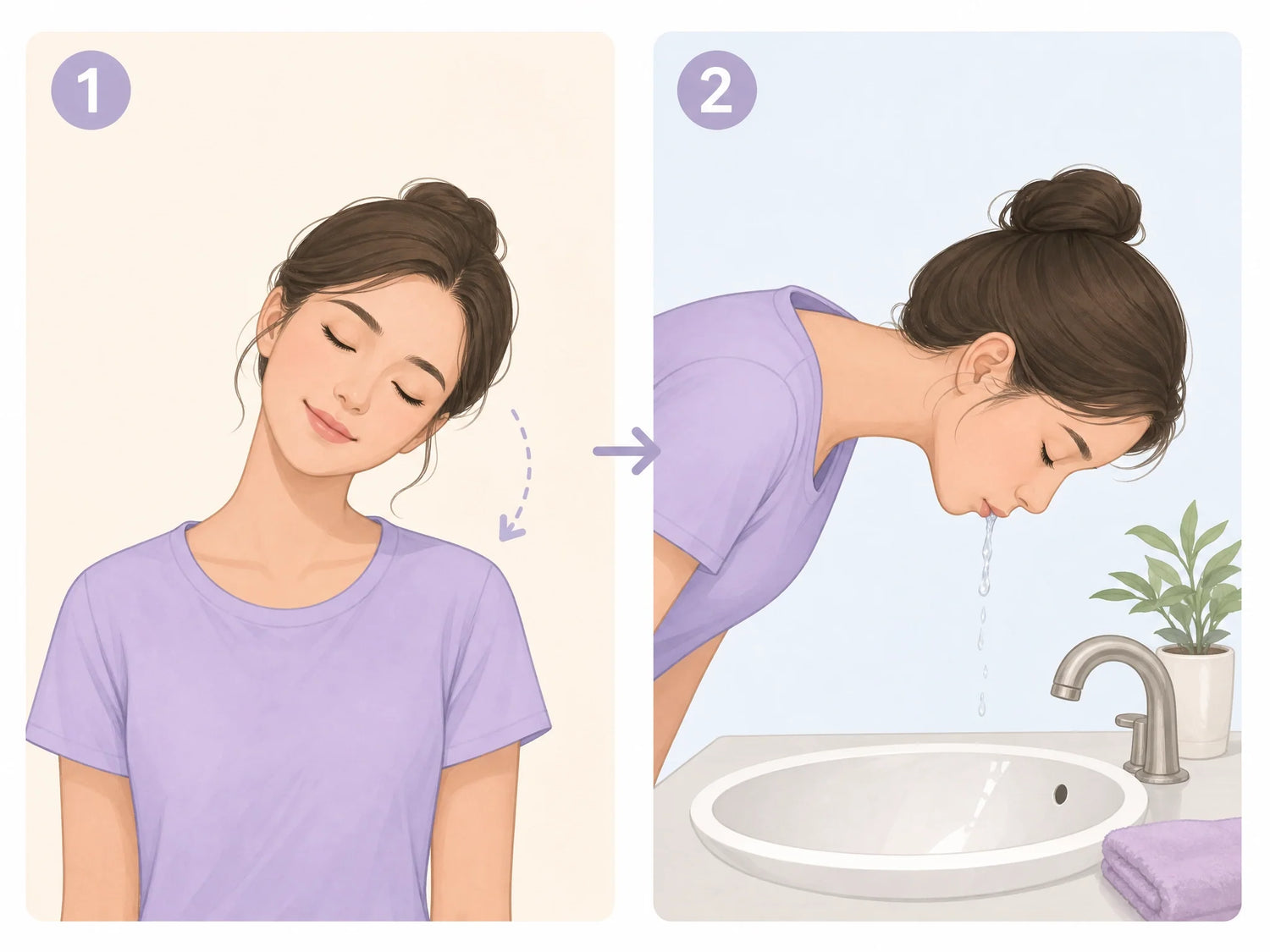
After a tooth extraction, the protective blood clot is everything. No rinsing at all for the first 24 hours. Then, gentle salt water rinses using a gravity technique—never swish or spit. Commercial mouthwash, especially alcohol-based, waits at least a week or until your dentist/oral surgeon gives the green light. One wrong move can lead to dry socket, a painful complication. This guide maps out exactly what to use, when, and how.
Why Is It Dangerous to Use Mouthwash Immediately After a Tooth Extraction?
Right after the tooth comes out, your body forms a blood clot inside the socket. This clot seals off underlying bone and nerves, acting like a natural bandage.
If you rinse, swish, or spit within the first 24 hours, you can dislodge this fragile seal. The result is dry socket (alveolar osteitis)—an intensely painful condition where bone is exposed. Even alcohol-free mouthwash can cause harm if the physical force of rinsing pulls the clot away. Harvard Health notes that preventing dry socket boils down to “avoid[ing] negative pressure in your mouth” for a few days—no forceful spitting, no straws, no aggressive rinsing. source

The 48-Hour Rule: When Can You Safely Start Rinsing?
Healing follows a strict clock. Use this timeline to reintroduce liquids safely.
| Phase | Timing | What’s Allowed | Why It Matters |
|---|---|---|---|
| Immediately After | Day 0–1 | Absolutely nothing. No rinsing, no spitting, no mouthwash. | The clot is forming; any disturbance risks dry socket. |
| 24–48 Hours | Day 2 | Begin gentle salt water rinse only, using the gravity technique below. | Salt reduces bacteria without chemicals. Avoid all commercial mouthwash. |
| Day 3–7 | Day 3–7 | Continue salt water after meals and before bed. If prescribed, start chlorhexidine exactly as directed. | Granulation tissue fills the wound; gentle cleaning supports it. |
| Week 2+ | After day 7 | Gradual return to normal rinsing. Alcohol-free mouthwash may be introduced if socket is closed and painless. | Alcohol can still irritate healing tissue—get your dentist’s approval. |
The First 24 Hours: Absolute No-Rinse Zone
Even plain water can dislodge the clot. Swishing and spitting create suction—the clot’s worst enemy.
- Let saliva dribble out naturally; never spit.
- For your other teeth, brush carefully while avoiding the extraction site. If you have sensitive gums, a gentle electric toothbrush like the RANVOO AirJet X5, with its innovative bubble technology, can provide a thorough yet non-irritating clean—ideal for post-extraction care, as it minimizes pressure and vibration around healing areas.
- If you need a “clean” feeling, sip water and let it run out passively.
Day 2 to 7: Introducing Gentle Salt Water Rinses
Natural healing kicks in, but store-bought mouthwash remains off-limits. Mix a salt water rinse: ½ teaspoon salt dissolved in a cup of warm (not hot) water. Warmth boosts comfort and blood flow, while salt reduces bacteria without irritating fragile tissue. Rinse 2–3 times per day, especially after eating.
After the First Week: Transitioning to an Oral Rinse
By day 7, granulation tissue usually covers the socket. If there’s no pain and the area looks closed, you can consider an alcohol-free, non-whitening mouthwash. Always check with your dentist or oral surgeon first. They may want to see the site before clearing any commercial product.
What Type of Mouthwash Can I Use After Tooth Extraction?
Sort your options with this color-coded guide.
| ✅ Safe (Green) | ⚠️ Use with Caution (Yellow) | ❌ Absolutely Avoid (Red) |
|---|---|---|
| Warm salt water (first week gold standard) | Chlorhexidine gluconate rinse—prescription only, use exactly as your surgeon directs | Mouthwashes with ethanol (alcohol-based mouthwash) |
| Diluted chamomile tea (soothing, natural) | Non-alcohol fluoride mouthwash (after day 7, if no stinging) | Whitening rinses (peroxide-based) |
| Baking soda rinse (¼ tsp in warm water) | High-concentration hydrogen peroxide | |
| Any rinse with strong astringents or dyes |
The Gold Standard: Warm Saline Solution
Dentists recommend this because it cleans without risk. Steps: 1. Mix ½ tsp salt into 8 oz warm water. 2. Take a small sip and keep your cheek muscles relaxed. 3. Let gravity move the liquid—do not swish. 4. Lean over the sink and let the water fall out. Never spit. 5. Repeat until you’ve used the full cup.
Alcohol-Free, Antibacterial Rinses (Chlorhexidine)
Sometimes an oral surgeon prescribes chlorhexidine gluconate rinse. This is not an over-the-counter pick. A Cochrane review suggests chlorhexidine may help prevent dry socket when used before extraction or starting 24 hours after. source If prescribed, rinse gently—hold it in your mouth without swishing, then let it drip out. Stick to the exact duration; overuse can stain teeth or alter taste.
Mouthwashes You Must Strictly Avoid
- Alcohol-based mouthwash: Alcohol dissolves the fibrin clot directly and dries out the wound.
- Whitening rinses: Peroxide and abrasives inflame healing tissue.
- High-concentration hydrogen peroxide: Only use if specifically diluted and prescribed—never guess the ratio.
How to Rinse Without Dislodging the Blood Clot
The Gentle Head Tilt Technique keeps the clot safe. Start this on day 2.
- Pour rinse into a cup—don’t sip from the bottle.
- Take a small mouthful (about a tablespoon).
- Close your lips and relax your cheeks completely.
- Tilt your head slowly left, right, forward, and back to let gravity move the liquid.
- Hold for 10 seconds.
- Lean over the sink, open your mouth, and let the liquid dribble out. Do not spit.
- Repeat 2 times per session.
Never do this: swishing aggressively, forcing liquid through teeth, spitting, or using an irrigation syringe until your surgeon says it’s safe. The sucking motion can dislodge the clot instantly.

Natural Alternatives to Mouthwash for Faster Healing
If you prefer natural options, these can complement salt water (but never replace your dentist’s advice):
- Diluted chamomile tea: Anti-inflammatory and calming. Brew, cool to lukewarm, and use like a salt rinse.
- Clove oil rinse: One drop of clove oil in a cup of warm water offers mild numbing and antibacterial effects. Use sparingly; too much can irritate.
- Baking soda solution: ¼ teaspoon in warm water helps neutralize acids. Avoid if your dentist advises against it.
Test any new remedy for sensitivity first.
Signs You’re Over-Rinsing or Developing a Dry Socket
Even with perfect care, dry socket can happen. Watch for these symptoms:
- Throbbing, intense pain that starts a few days after extraction.
- A foul taste or bad breath that won’t improve with cleaning.
- Visible empty-looking socket where you can see whitish bone.
- Pain radiating to your ear, eye, or neck on the same side.
- Swollen lymph nodes or fever (sign of infection).
Stop all rinses immediately and call your oral surgeon if you notice any of these. Dry socket needs professional treatment, often with a medicated dressing, to relieve pain and jump-start healing. source Your dentist will guide every next step.


Leave a comment
This site is protected by hCaptcha and the hCaptcha Privacy Policy and Terms of Service apply.